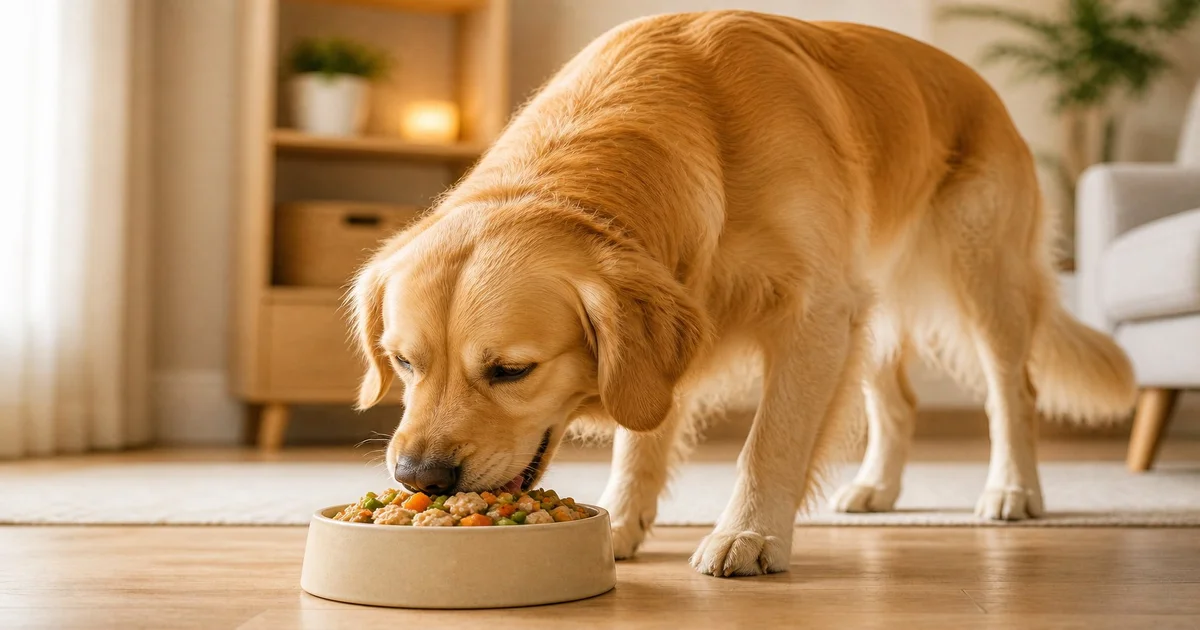
As a dedicated pet parent, transitioning your beloved canine companion to a fresh, whole-food diet naturally sparks curiosity: *what tangible changes can I expect, and when will they manifest?* While the immediate gratification of a clean bowl is often apparent, the profound benefits of fresh nutrition unfold gradually, impacting your dog's internal systems before becoming outwardly visible. This article provides an honest, week-by-week timeline, detailing the typical transformations observed by most owners, from the initial introduction to the sustained vitality of a fresh food lifestyle.
The Foundation: Patience and a Gradual Transition
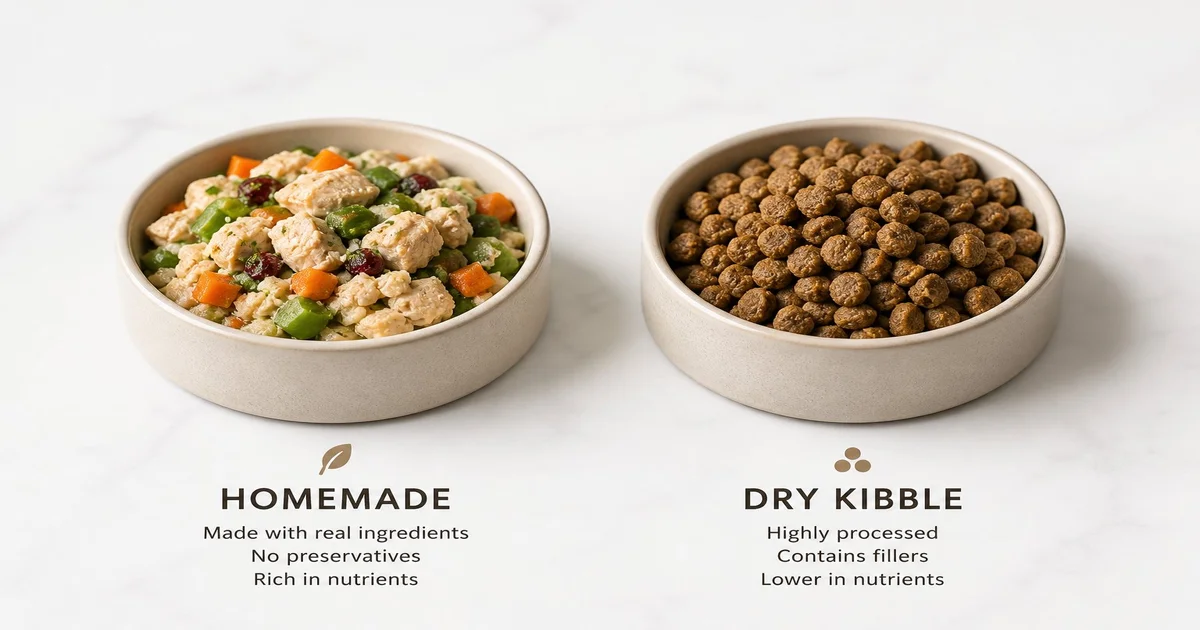
It is crucial to understand that fresh food operates on a different physiological principle than conventional kibble. Kibble is often engineered for immediate palatability, relying on high levels of salt and fat to encourage rapid consumption. Fresh food, conversely, celebrates the subtle, rich aromas and flavors of real meat, fresh vegetables, and nourishing broths. While some dogs enthusiastically embrace fresh food from day one, others may require a few days to acclimate to its natural composition.
Regardless of initial acceptance, the most significant transformations occur internally, requiring a period for the digestive system and microbiome to adapt. The following timeline outlines the typical progression of these remarkable changes.
The Week-by-Week Transformation Timeline
The most immediate and often dramatic change is your dog's heightened interest in their meal. The natural scent of real, wholesome ingredients is distinctly different from processed kibble, often leading even the most discerning eaters to finish their bowls with enthusiasm. Some dogs may initially approach with caution, sniffing extensively before indulging, but by day two or three, most will consume their meals without hesitation.
This period often marks the first significant outward signs of improvement. Owners frequently report increased alertness, sustained energy levels, and quicker recovery after play. Internally, the gut microbiome begins to rebalance, leading to firmer, smaller, and less odorous stools. This is a positive indicator that nutrients are being efficiently absorbed rather than merely passing through the digestive tract.
A temporary period of slightly softer stools may occur during this initial adjustment phase, which is normal and typically resolves as the system adapts.
By the second or third week, a noticeable transformation in your dog's skin and coat health typically emerges. The coat often becomes remarkably shinier, softer to the touch, and shedding may visibly decrease. This is a direct result of the superior bioavailability of essential fatty acids (Omegas) and other micronutrients from whole food sources, which are far more effective than synthetic additives. Dogs previously suffering from dry, flaky, or irritated skin often experience significant relief and improvement.
After a full month on a fresh food diet, the cumulative benefits become undeniable. Dogs consistently maintain a healthier, more ideal body weight, not through restrictive dieting, but through efficient nutrient utilization. Muscle tone often improves, reflecting better protein absorption. Many pet parents also report a notable reduction in minor health issues, such as recurrent stomach upsets, ear infections, and skin irritations, suggesting a bolstered immune system.
The ultimate outcome of a fresh food diet is a profound enhancement in your dog's overall quality of life. This translates to more active, comfortable, and joyful years, underscoring the true value of investing in premium nutrition.
Addressing Slower Progress: What to Consider
It is important to acknowledge that not every dog exhibits dramatic changes within the first week. Some, particularly those who have consumed kibble for the majority of their lives, may require a longer period for their gut microbiome to fully rebalance. This is a normal physiological process.
If you observe slower progress, consider the following:
- **Transition Pace:** Ensure the dietary transition was gradual. Abrupt changes can cause temporary gastrointestinal upset, delaying the manifestation of benefits.
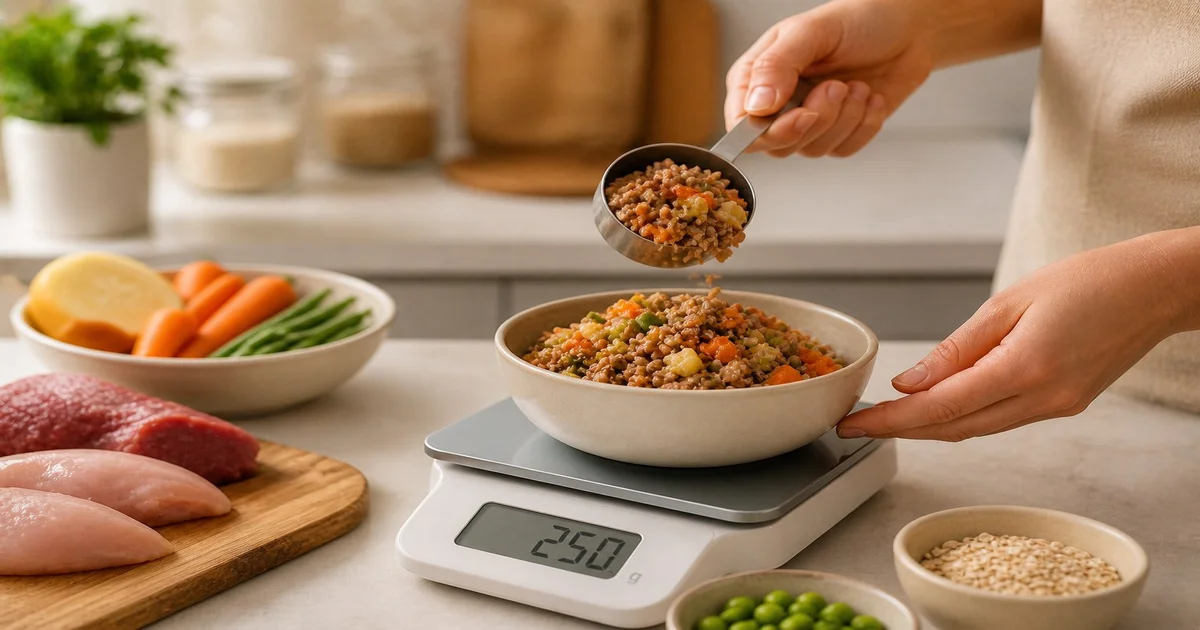
- **Accurate Portions:** Verify that your dog is receiving the correct portion size. Underfeeding can lead to insufficient nutrient intake, prolonging the timeline for visible improvements.
- **Age and Health Status:** Senior dogs or those with pre-existing health conditions may display more subtle, yet equally significant, improvements, such as increased comfort, reduced stiffness, or more stable energy levels.
Allow at least three to four weeks before drawing definitive conclusions. The gut microbiome typically requires approximately 21 days to undergo significant beneficial shifts.
Elevate Your Dog's Well-being with Pawby Kitchen
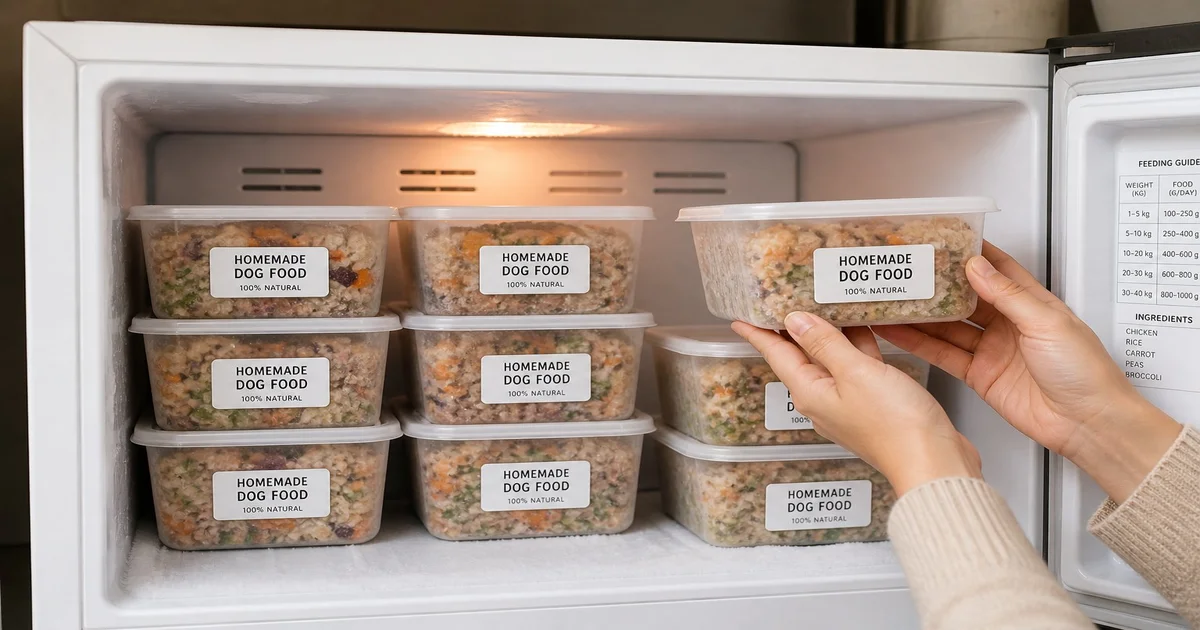
Pawby Kitchen is committed to facilitating your dog's journey to optimal health. Our meticulously crafted fresh meals are conveniently portioned, safely frozen, and delivered directly to your doorstep across Sihanoukville and throughout Cambodia. Invest in the premium nutrition your dog deserves and witness their transformation.
Explore Our Menu & Order Now