Why Sleep Setup Matters
Adult dogs sleep somewhere between 12 and 14 hours a day, and puppies and seniors often sleep even more than that. That is more than half a dog's life spent resting, which makes the quality of that rest genuinely important rather than an afterthought. A bed that is too thin, too hot, or in the wrong spot in the house can mean broken, restless sleep even if your dog technically has somewhere to lie down.
Poor sleep shows up in ways that are easy to miss, including irritability, reduced patience during the day, and slower recovery from exercise or minor injury. If you are noticing unusual daytime tiredness, our guide on whether your dog is sleeping too much is worth a look alongside this one.
Choosing the Right Bed Type
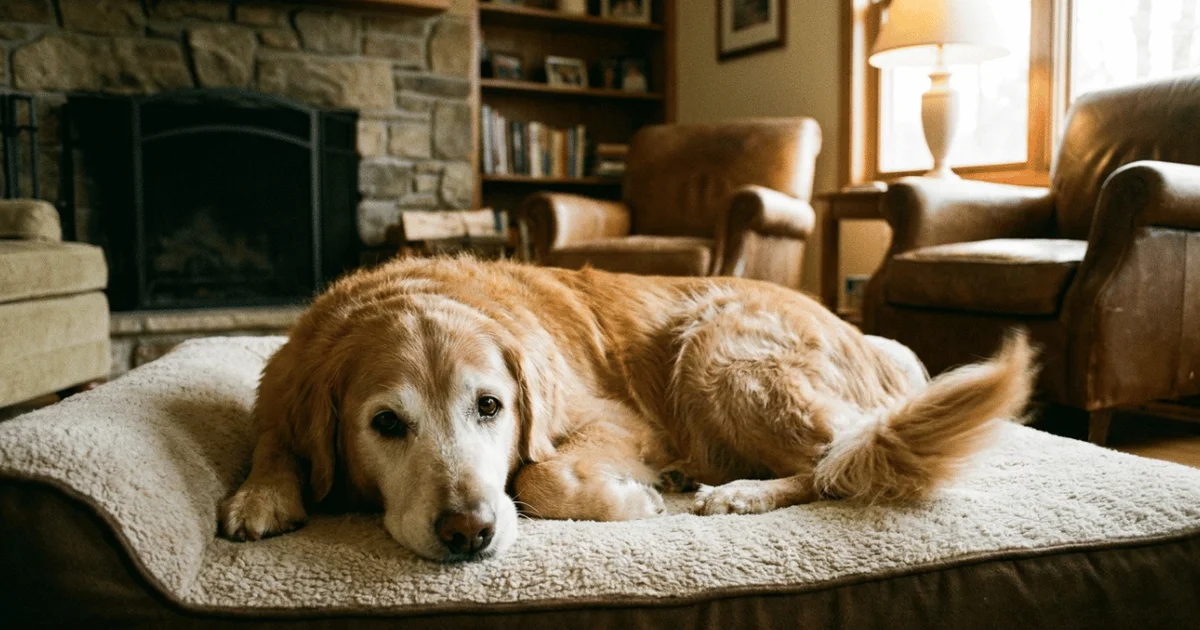
Orthopedic memory foam beds are the best general choice for medium to large dogs and for any senior dog, since they distribute weight evenly and reduce pressure on joints and hips. Bolster beds, with raised edges around the sides, appeal to dogs that like to rest their head on something or curl up against a border. Cave or donut-style beds work well for small breeds and dogs that instinctively want to burrow or feel enclosed while sleeping.
In hot climates, a cooling mat or a raised mesh cot allows air to circulate underneath the dog's body, which helps a lot more than a standard cushioned bed once temperatures climb. Dogs that run hot naturally, including thick-coated breeds, often prefer these over a soft padded bed even in a cooler room.
Bed Size and Sleeping Position
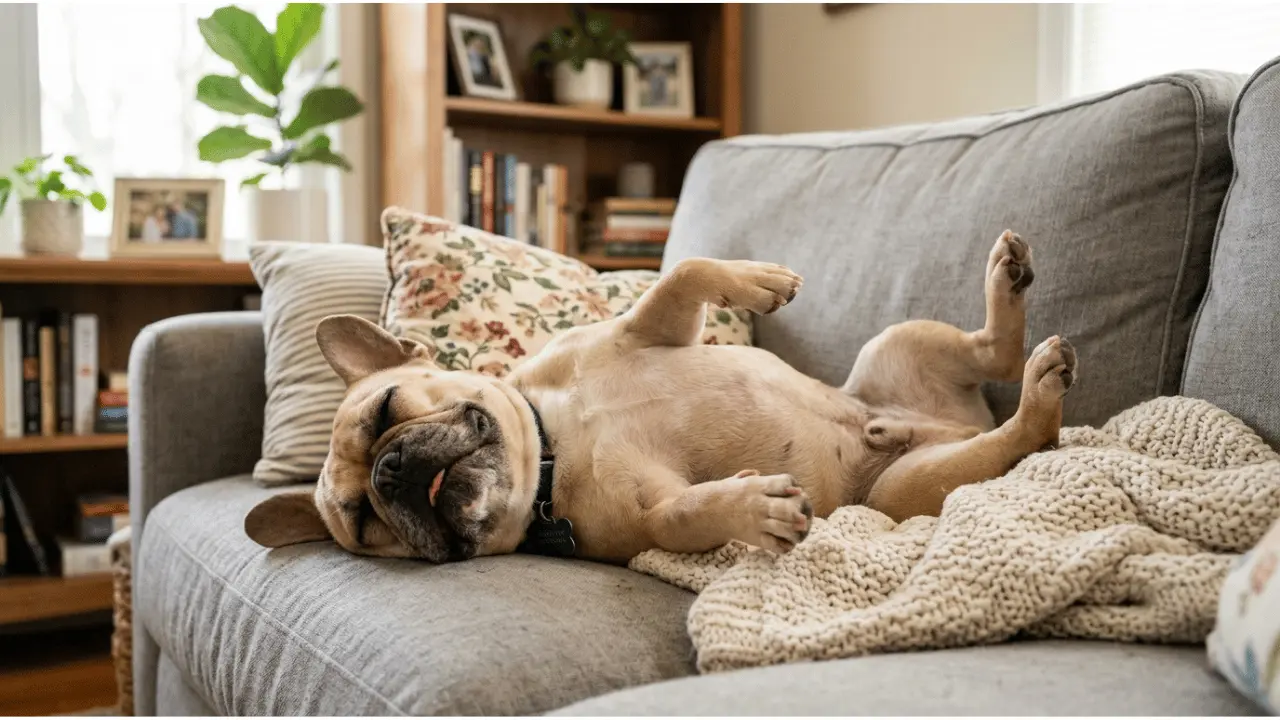
A bed should be large enough for your dog to fully stretch out in at least one direction, not just curl into a tight ball. Watch how your dog naturally sleeps for a few nights before buying. Dogs that sprawl out flat need a larger flat bed, while dogs that curl up tightly do fine with a smaller, more enclosed shape. Getting this wrong is one of the most common reasons an expensive bed goes unused in favor of the couch or the floor.
Where to Place the Bed
Dogs generally sleep best somewhere quiet but not completely isolated from the household, since most dogs want to rest near their people rather than shut away in a separate room. A corner of a room, away from direct foot traffic and drafts from doors or air conditioning vents, works well for most dogs. Avoid placing a bed directly on cold tile or concrete without something underneath it, since the surface temperature underneath the bed affects comfort even if the bed itself is soft.
Some dogs benefit from having more than one bed in the house, positioned in different rooms, so they always have a comfortable spot nearby rather than having to relocate across the house to rest.
Special Considerations by Life Stage
Puppies do well with a smaller, washable bed inside a crate, since the enclosed space supports the den instinct that makes crate training easier in the first place. Our guide on surviving the first week with a new puppy covers how sleep setup fits into that early routine. Senior dogs and dogs with arthritis need orthopedic support above almost everything else, along with a bed low enough to the ground that getting in and out does not strain their joints.
Keeping It Clean
Wash bedding every one to two weeks to control dander, odor, and dust mites, more often if your dog spends time outside or has any skin sensitivity. Choose a bed with a removable, machine-washable cover rather than one that has to be cleaned whole, since that single feature makes the difference between a bed that actually gets washed regularly and one that does not.
Signs Your Dog's Current Setup Isn't Working
If your dog consistently chooses the floor, the couch, or your bed over their own, that is useful feedback rather than just a preference to ignore. It often means the bed is too warm, too firm, too soft, or simply in a spot that does not feel right. Restlessness at night, frequent repositioning, or reluctance to lie down fully can also point to a setup that is not doing its job, especially in an older dog where joint discomfort may be part of the picture. Just as with sleep, consistent and well-timed meals help keep a dog's daily rhythm steady, and Pawby Kitchen's fresh meals are portioned to support that kind of steady, predictable routine.