How Much Sleep is Actually Normal
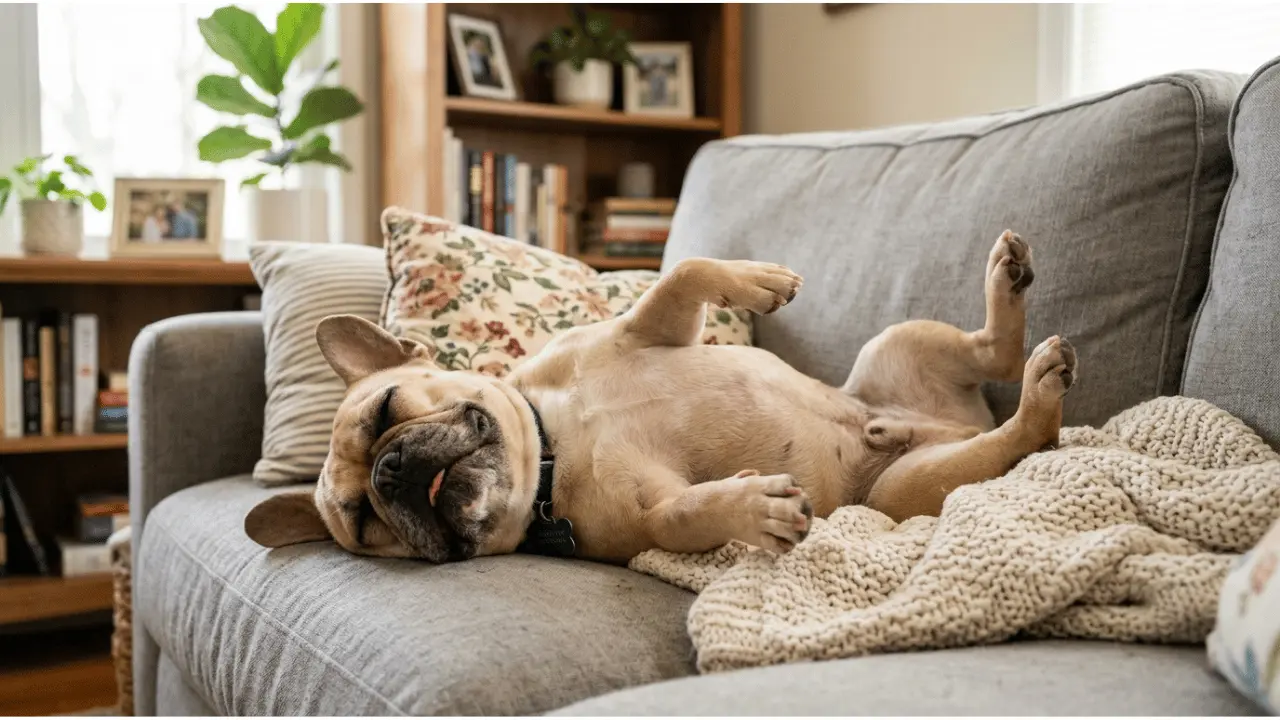
Adult dogs sleep between 12 and 14 hours a day on average. Puppies and senior dogs sleep even more, often 16 to 18 hours. This shocks a lot of first-time dog owners who compare it to human sleep needs and assume something must be wrong.
Nothing is wrong. Dogs evolved as opportunistic sleepers. They rest whenever there is nothing interesting happening and wake up fast when there is. This is completely normal canine behavior.
What Affects How Much Your Dog Sleeps
Breed plays a big role. Working breeds like Border Collies and Huskies are naturally more active and may sleep less. Brachycephalic breeds like Bulldogs and Pugs tend to sleep more and also have more disrupted sleep due to breathing difficulties. Giant breeds like Mastiffs are famous for sleeping most of the day.
Age is the other major factor. Puppies need enormous amounts of sleep because sleep is when growth hormones are released and the brain consolidates new learning. Senior dogs sleep more because their bodies need more recovery time. Both are normal.
When Sleeping Too Much is a Red Flag
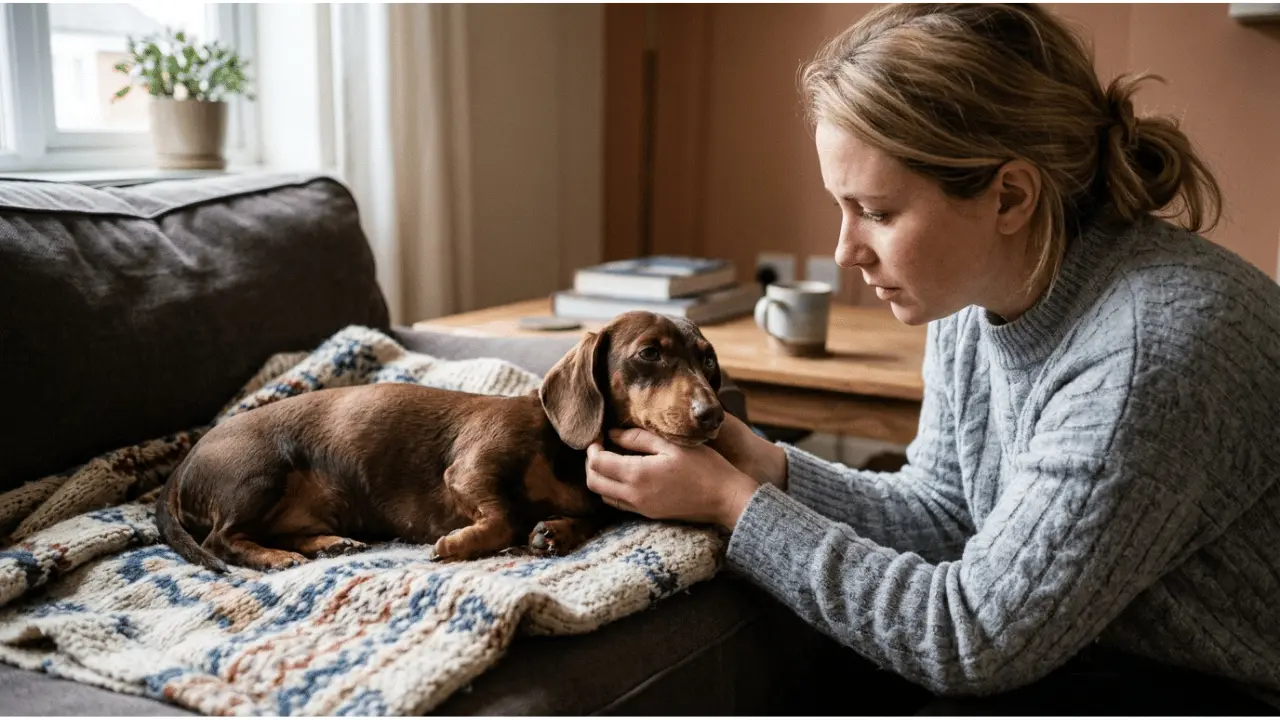
The sign to watch for is a change in your dog's baseline. If your dog used to run to the door when they heard keys and now barely lifts their head, that is a change worth noting. Lethargy paired with other symptoms like reduced appetite, vomiting, diarrhea, or unusual behavior is always worth a vet check.
Hypothyroidism, anemia, heart disease, depression, and pain can all cause a dog to sleep more than usual. In older dogs, cognitive dysfunction (the canine equivalent of dementia) can disrupt sleep patterns in ways that look like oversleeping.
Dogs That Sleep Too Little
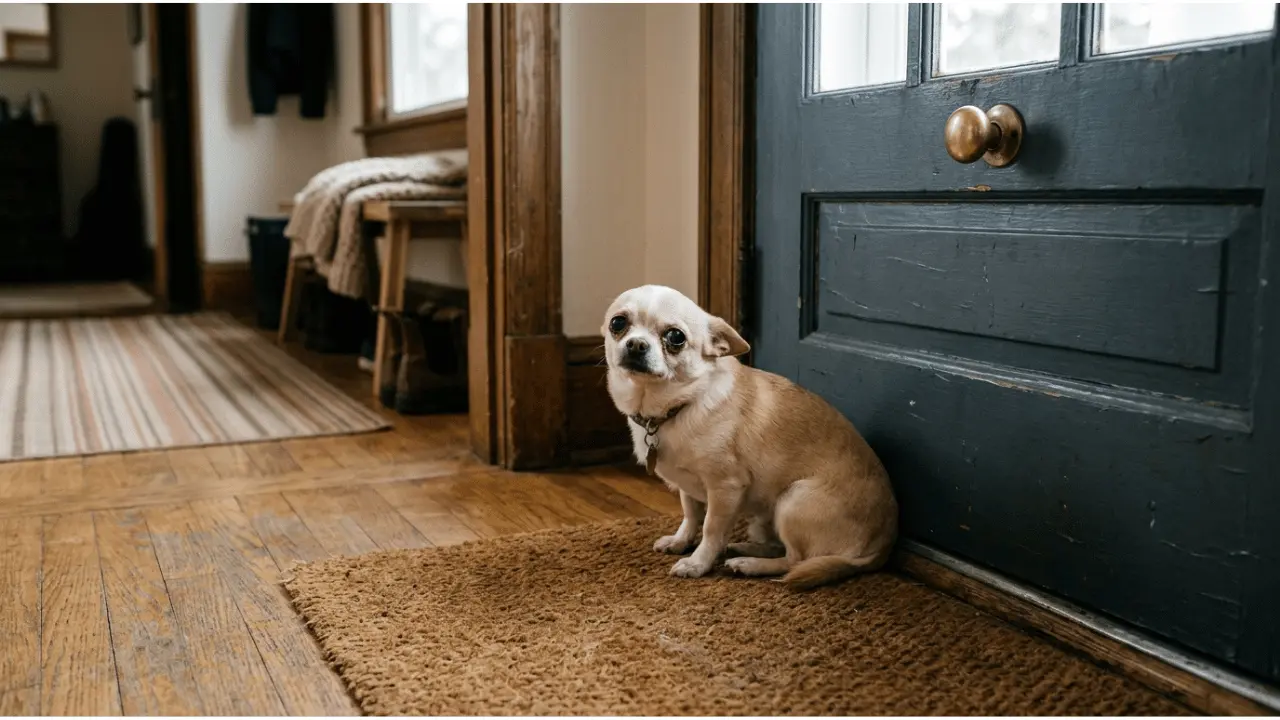
A dog that cannot seem to settle or rest properly is also worth paying attention to. Anxiety, pain, environmental stress, or an underlying medical issue can prevent quality sleep. Signs of poor sleep include circling before lying down, frequent repositioning, waking frequently, or restlessness at night.
What to Do
If your dog's sleep habits have changed noticeably, track it for a few days and note any other changes in appetite, behavior, or movement. Then bring that information to your vet. Vague reports of sleeping more are harder to work with than specific notes about when it started and what else changed.
If your dog is sleeping a lot but acting completely normal when awake and showing no other symptoms, they are almost certainly just a normal dog doing normal dog things.