Recognizing an Upset Stomach
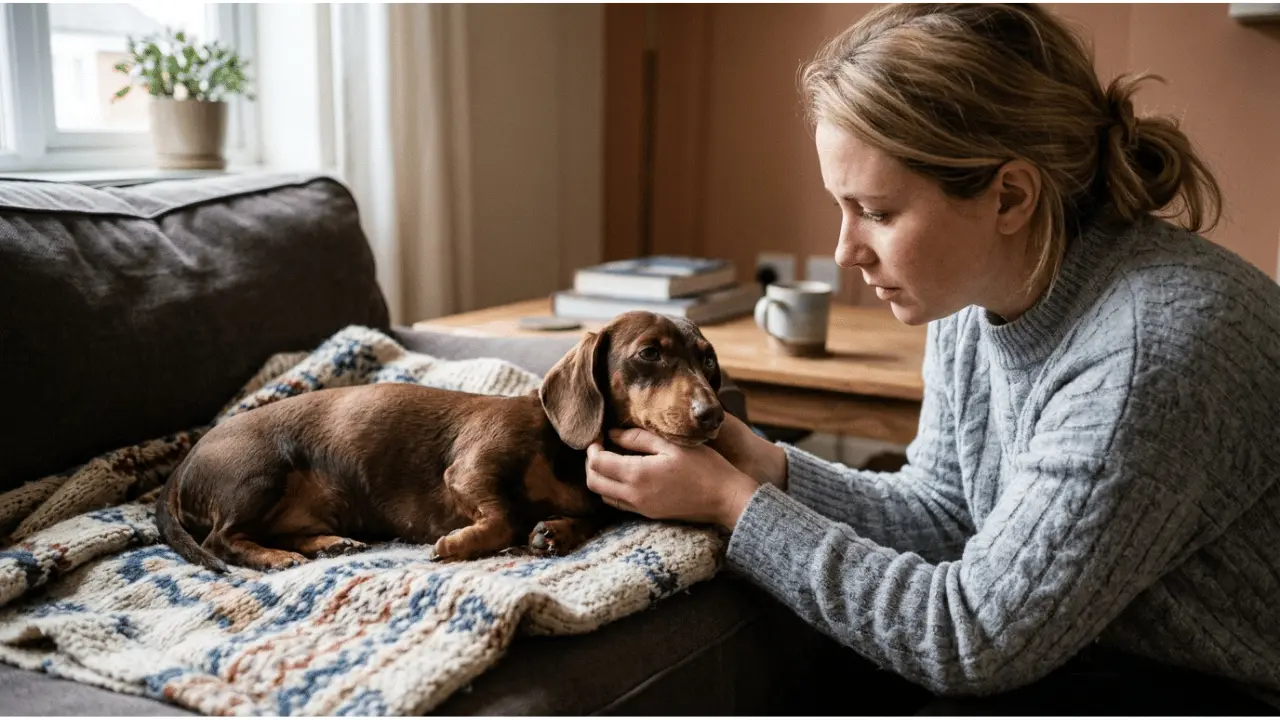
It started with a sound. A low, gurgling rumble coming from the dog bed at 2am. Anyone who has owned a dog knows that sound. It is the stomach talking, and it is rarely good news at that hour.
Dog upset stomachs are one of the most common things pawrents deal with. Grass eating, drooling, lethargy, vomiting once or twice, loose stools. These are the usual signs that something did not sit right, and in most cases, they resolve on their own within 24 to 48 hours with a little help from you.
Start with a Short Fast
The first thing to do when your dog has an upset stomach is give the digestive system a break. Skip one meal, or hold food for 12 hours. This lets the gut settle without any new food coming in to irritate it further. Make sure fresh water is always available, because hydration matters even more when a dog is not feeling well.
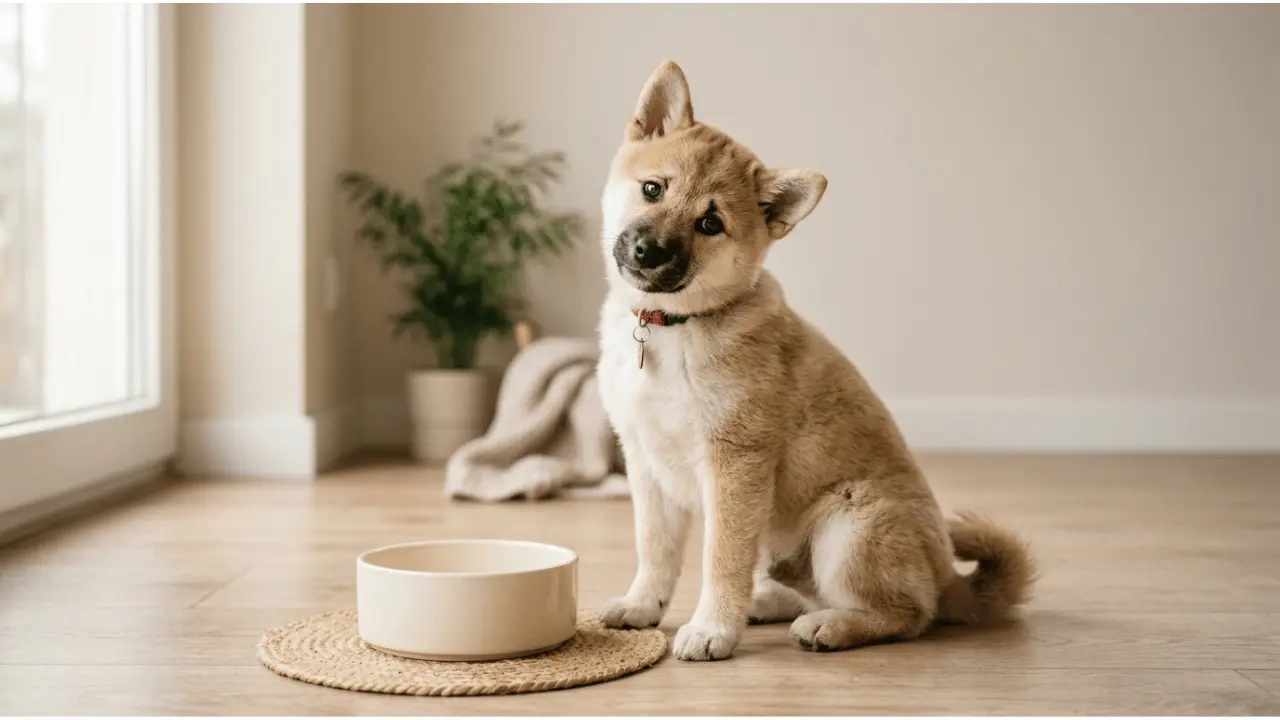
Most vets recommend this fasting approach as a first step for mild stomach upset in adult dogs. For puppies or very small breeds, check with your vet before fasting, since they can be more sensitive to drops in blood sugar.
The Bland Diet That Works
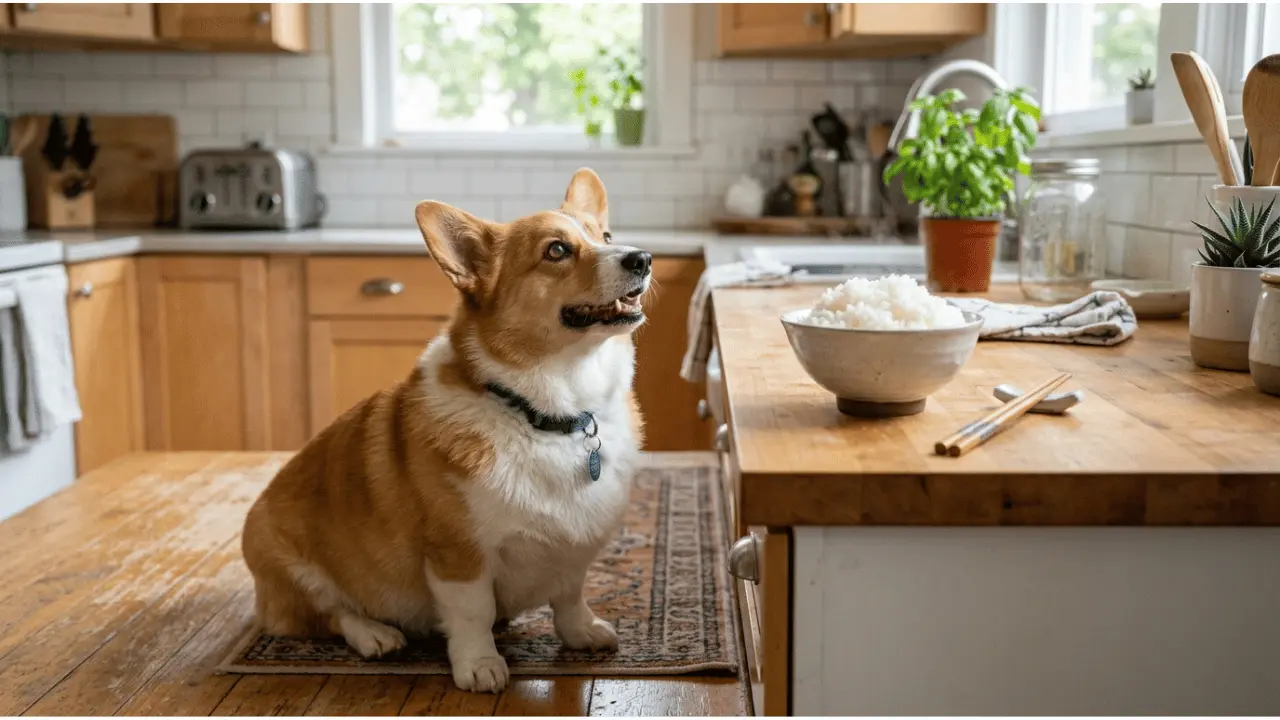
After the short fast, introduce a bland diet. Plain boiled white rice and plain boiled chicken breast is the classic combination for a reason. It works. The rice is gentle on the digestive lining and easy to absorb. The chicken provides protein without the richness that might aggravate an irritated stomach.
Feed small amounts more frequently rather than one large meal. Think of it like feeding a sick person toast instead of a full dinner. Light, easy, not too much at once. After a day or two on bland food with normal stools, you can gradually mix back in their regular food over three to four days.
Plain Pumpkin for Loose Stools
Plain canned pumpkin, not pumpkin pie filling, is one of the most underrated home remedies for dogs with loose stools. It is high in soluble fiber, which helps absorb excess water in the gut and firm things up. A tablespoon or two mixed into bland food can make a noticeable difference within a day.
It is also something most grocery stores carry, which makes it a practical thing to keep on hand. Just double-check the label and make sure it is plain pumpkin with no added sugar or spices.
Probiotics Can Help
If your dog gets stomach upsets somewhat regularly, a probiotic designed for dogs can help maintain gut balance over time. These are available at most pet shops and some vets also carry them. They are not a cure for acute upset, but for dogs with recurring digestive sensitivity, they can reduce how often the issue comes up.
Giving a probiotic during and after a bout of stomach upset can also help the gut recover its normal bacterial balance more quickly, especially if the upset involved diarrhea.
The Longer Game
Recurring stomach upsets often point to something in the regular diet that is not agreeing with the dog. Highly processed kibble with a lot of fillers, artificial ingredients, or low-quality proteins can be harder on sensitive digestive systems. Switching to simpler, fresher food is one of the more effective ways to reduce how often stomach issues come up in the first place.