It Happens to Almost Every Dog
Diarrhea is one of the most common health issues in dogs and usually not a sign of anything serious. A one-off loose stool after eating something unusual or going through a stressful event is almost always temporary and resolves on its own within 24 hours.
The concern is when it does not resolve, when it is accompanied by other symptoms, or when it happens in a very young, very old, or already unwell dog.
What Usually Causes It
The most common cause is diet-related. Eating something new, eating too fast, getting into the trash, or being given a treat they are not used to can all trigger a bout of diarrhea. Stress is another frequent cause, including travel, changes to routine, or a new pet or person in the home.
Parasites, bacterial infections, viral infections, and food intolerances are other causes that tend to produce more persistent diarrhea rather than a one-day episode.
Handling It at Home
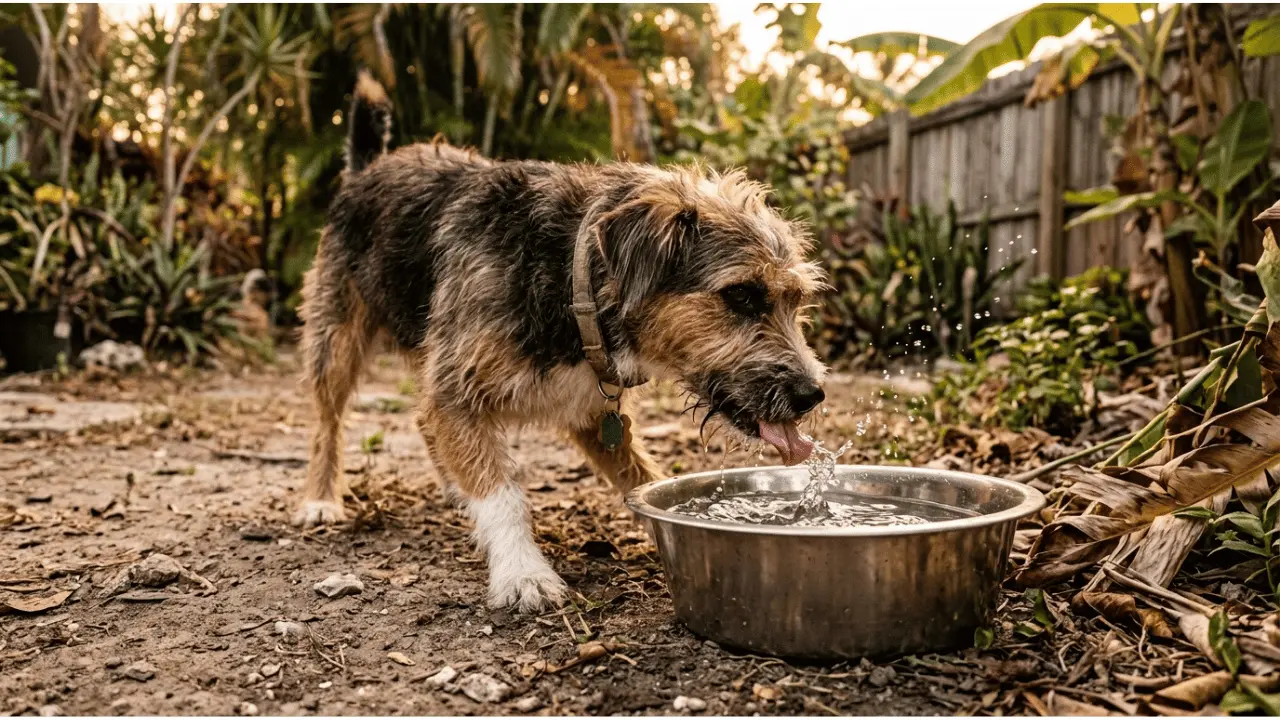
For mild diarrhea with no other symptoms, withhold food for 12 to 24 hours to give the gut a rest. Make sure your dog has constant access to fresh water because diarrhea causes fluid loss quickly. After the fasting period, offer a bland diet for a couple of days before transitioning back to their regular food.
A simple bland diet is plain boiled chicken with plain white rice, roughly a 1 to 3 ratio of chicken to rice. No seasoning, no oil, no additives. Small, frequent servings work better than one big meal.
When to Call the Vet
Go to the vet if your dog has diarrhea for more than 48 hours, if there is blood in the stool, if your dog is vomiting as well, if they are lethargic or refusing water, or if they are a puppy or senior dog. Young dogs dehydrate very fast and cannot afford to wait as long as adult dogs.
| Symptom | Action |
|---|---|
| Single loose stool, dog acting normal | Monitor, withhold food briefly |
| Diarrhea for more than 24 hours | Bland diet, watch closely |
| Diarrhea for more than 48 hours | Call the vet |
| Blood in stool | Call the vet same day |
| Vomiting plus diarrhea | Call the vet |
| Puppy or senior dog with diarrhea | Call the vet sooner rather than later |
Reducing How Often It Happens
The most effective prevention is consistency. Dogs do better on a consistent diet without frequent changes. When you do need to change their food, do it gradually over 7 to 10 days by mixing increasing amounts of the new food with the old.
Keep garbage secured, do not feed scraps from the table, and make sure your dog is on a regular deworming schedule. These three habits alone eliminate most of the common causes.