When the Switch Changes Everything
One of our customers in Sihanoukville told us her shih tzu used to scratch constantly and had dull, frizzy fur no matter what shampoo she used. She tried different kibble brands, even the expensive imported ones. Nothing changed. Then she switched to fresh cooked food for about three weeks, and the scratching stopped. The coat softened. The dog smelled less. She sent us a photo and said she wished she had done it two years earlier.
That kind of story is not unusual. When dogs switch from highly processed food to real, cooked ingredients, the changes are often visible pretty quickly. Not always dramatic, but real.
You Know Exactly What Is in It
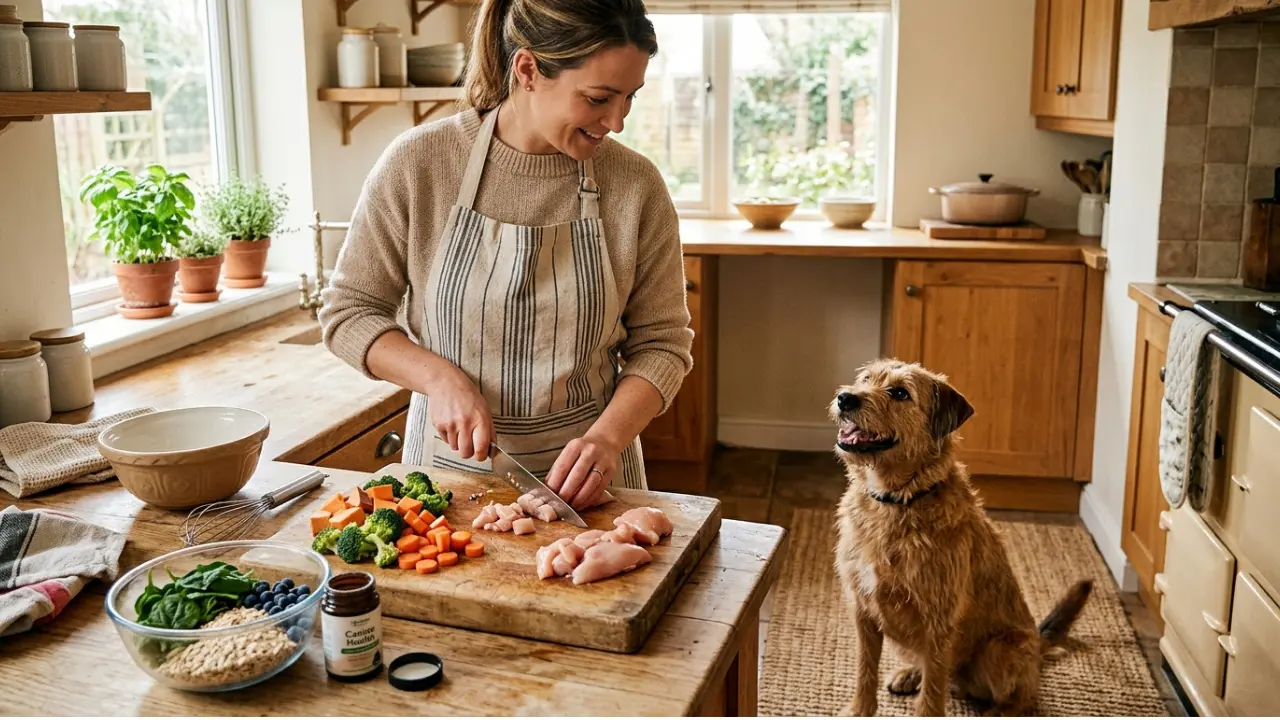
This is probably the biggest thing. With commercial dog food, the ingredient list can be long and confusing, and the quality of those ingredients varies a lot by brand and batch. With homemade food, you buy the chicken, you see the vegetables, you cook it yourself. There is no mystery.
For dogs with allergies or sensitivities, this level of control is genuinely useful. You can remove a single ingredient and see if something improves. That kind of testing is impossible when your dog's food contains 30 ingredients listed under broad categories like "meat by-products" or "animal digest."
Better Digestion, Less Waste
Fresh food is generally easier for dogs to digest than heavily processed kibble. One thing pawrents often notice first is that their dog's stools become firmer and smaller in volume. That is actually a sign of better nutrient absorption. The body is using more of what it is eating instead of passing it through.
Dogs on fresh food also tend to drink less water than dogs on dry kibble, because fresh food already has a much higher moisture content. Proper hydration through food is gentler on the kidneys and urinary tract, especially as dogs get older.
The Coat and Energy Difference
Skin and coat health are often the first visible signs that a dog's diet is improving. Real protein and healthy fats from whole food sources support coat quality in a way that synthetic additives in commercial food often cannot replicate. Dogs eating fresh food tend to have a shinier coat and less flaky skin within a few weeks of switching.
Energy levels also tend to stabilize. Some dogs on high-carbohydrate kibble have energy spikes and crashes throughout the day. Fresh food with a good protein-to-carb ratio tends to give dogs more even, sustained energy. Less crazy hyperactivity, less afternoon slumps.
It Actually Fixes Picky Eaters
If your dog stares at their bowl, walks away, comes back, sniffs it again, and then looks at you like you personally offended them, you are not alone. Picky eating is incredibly common in dogs fed the same dry kibble every day.
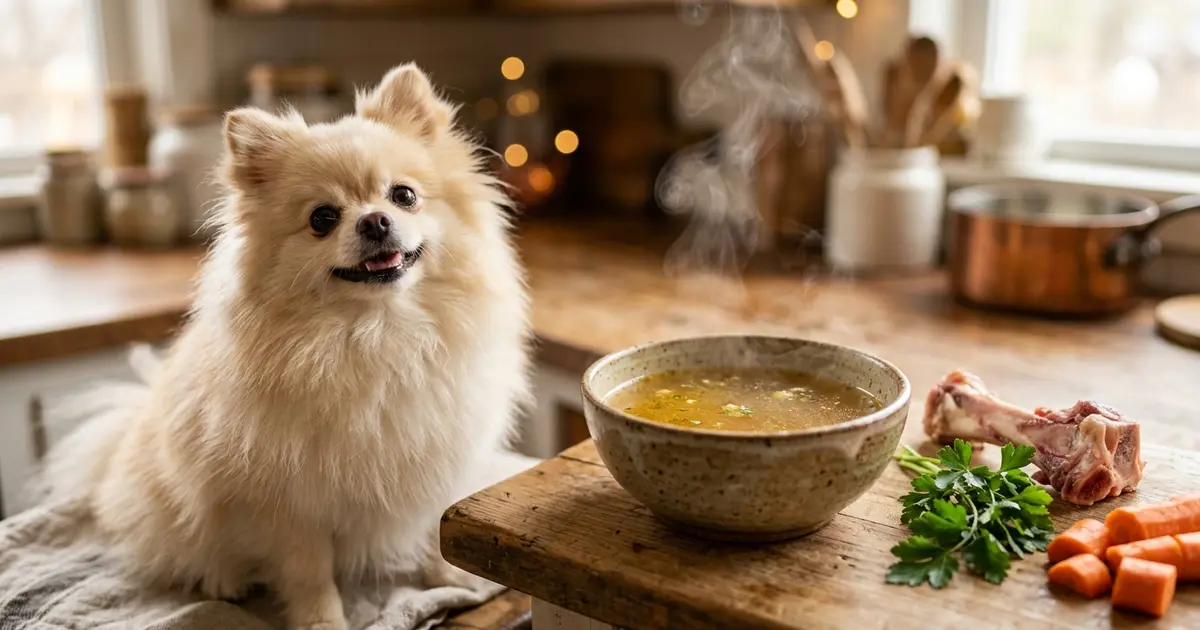
Fresh food almost always fixes this. The aroma alone is enough to get most dogs excited. When food smells and tastes like actual food rather than compressed pellets, even the fussiest dogs tend to eat with enthusiasm. It is hard to be picky when dinner smells like real chicken.
The One Thing to Get Right
Homemade food has real benefits, but it does require some thought. A diet of just chicken and rice every day, for example, will eventually lead to nutritional deficiencies because it is missing calcium, certain vitamins, and other essential nutrients. Variety matters, and so does including things like organ meat, vegetables, and sometimes supplements depending on the recipe.
If you are cooking for your dog at home, doing a little research on balanced home cooking is worth the time. And if you want the benefits of fresh food without the daily cooking, that is exactly what services like Pawby Kitchen are built for. Real ingredients, properly balanced, delivered fresh.