How Much Water Is Normal?
A healthy dog drinks roughly 50 to 60 milliliters of water per kilogram of body weight per day, though this varies with diet, activity, and weather. A 20kg dog might drink around a liter a day under normal conditions. Dogs eating fresh or wet food get a good portion of their water from meals already, while dogs on dry kibble need to drink more to make up the difference.
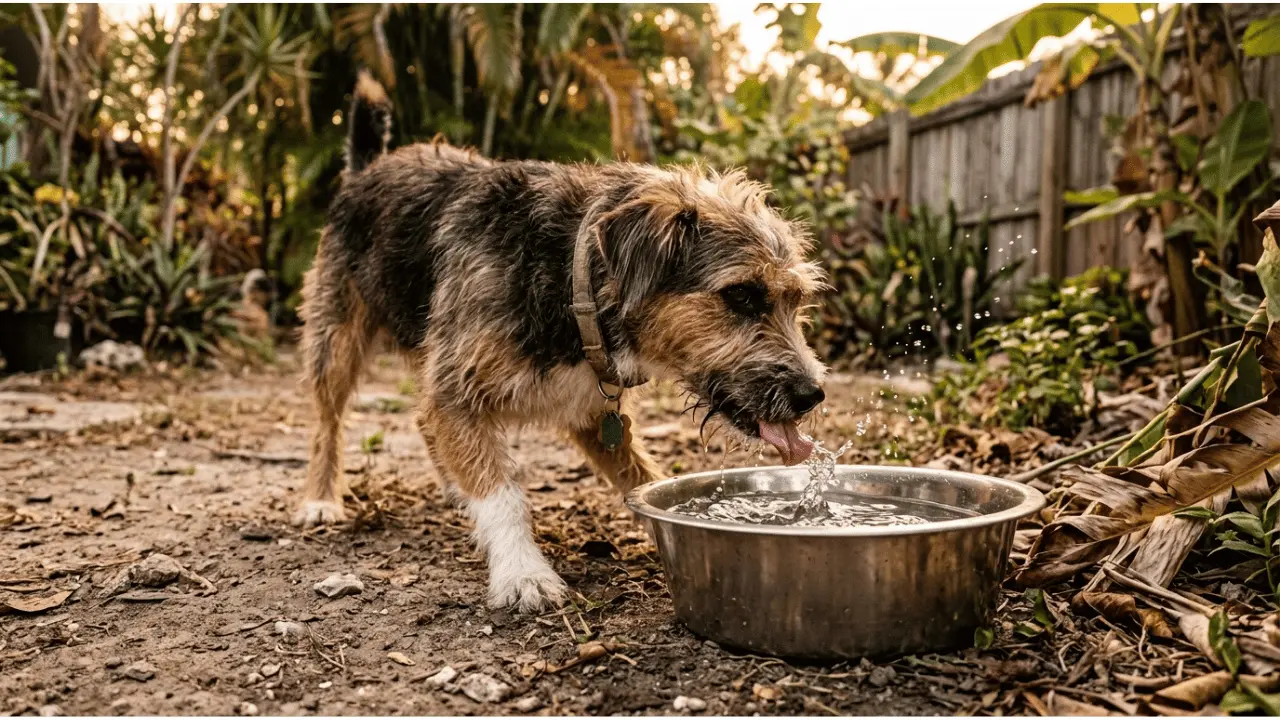
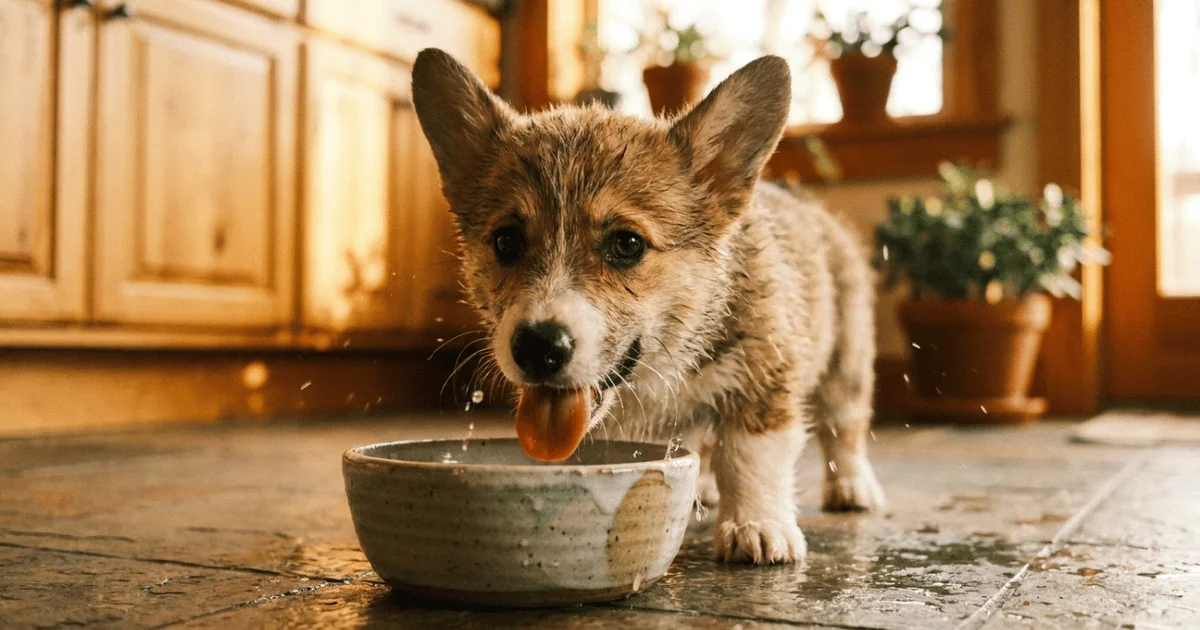
The number that actually matters is the change from your own dog's normal pattern, not a generic chart. If your dog is suddenly at the water bowl far more than usual, asking to go outside more to urinate, or leaving puddles where they did not before, that shift is the real signal worth paying attention to.
Common Harmless Reasons
Hot weather and increased exercise both push water intake up temporarily, and that is expected and healthy. A recent switch from wet or fresh food to dry kibble increases thirst because the dog is no longer getting moisture from meals and has to compensate by drinking more. Some medications, including certain steroids and seizure medications, list increased thirst as a known side effect.
Salty treats or table scraps can also cause a short spike in thirst that resolves within a day once the sodium clears. None of these causes should be ongoing for more than a few days. If increased drinking continues past that, it moves out of the harmless category.
Medical Causes Worth Knowing
Diabetes is one of the most common medical causes, and it almost always comes with increased urination and, often, increased appetite alongside weight loss. Kidney disease reduces the kidneys' ability to concentrate urine, which means the body loses more water and the dog compensates by drinking more to avoid dehydration. Cushing's disease, caused by excess cortisol, is another common cause in older dogs and usually comes with a pot-bellied appearance, thinning coat, and increased appetite as well.
A urinary tract infection can also increase thirst and the urge to urinate, usually alongside straining or discomfort while going. Liver disease and certain uterine infections in unspayed females are less common but real causes too. None of these are things to diagnose from a symptom list at home, but recognizing that increased thirst is often the earliest visible sign of all of them is worth knowing.
Signs That Point to a Problem
Watch for water intake that has clearly doubled or more from your dog's usual amount, accidents in the house from a previously house-trained dog, urinating more frequently or in larger amounts, and any of these paired with lethargy, vomiting, or a change in appetite. A dog that is drinking a lot and also seems unwell in some other way should not wait for a routine check-up.
What Vets Will Check
A vet will typically start with a physical exam and a detailed history of when the change started and how much your dog is actually drinking. Blood work checks kidney values, liver values, and blood sugar, while a urine test checks how concentrated the urine is and screens for infection or excess glucose. These two tests together cover most of the common causes and usually point clearly toward or away from each one.
What to Do at Home
Never restrict water access to try to control the symptom yourself. If something medical is driving the thirst, restricting water can cause dehydration on top of whatever else is going on, which makes things worse rather than better. Instead, track how much your dog is drinking over two or three days if you can, along with urination frequency, so you can give the vet specific numbers rather than a general impression.
Feeding a consistent, high-moisture diet also makes it easier to notice these changes in the first place, since a dog already getting steady hydration from meals stands out clearly at the water bowl if something changes. Pawby Kitchen's meals are made with real, gently cooked ingredients that carry natural moisture, which supports your dog's baseline hydration and makes shifts in thirst easier to catch early.