It Is Harder to See Than You Think
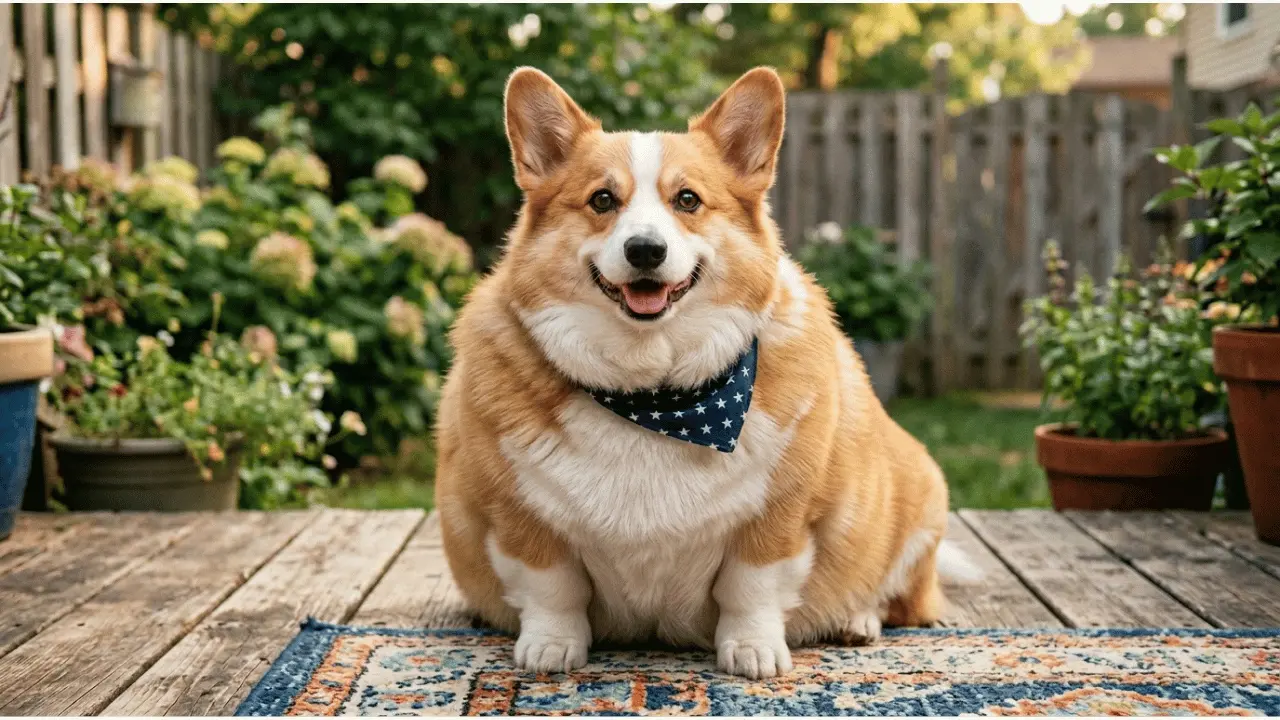
We had a customer message us once asking why her corgi seemed tired all the time and was not as excited about walks as he used to be. She sent a photo. The dog was round. Not a little chubby, genuinely quite round. She had not noticed because the change happened gradually over two years and she saw him every single day.
This is incredibly common. Weight gain in dogs happens slowly, and because we love them exactly as they are, we sometimes stop seeing it. The problem is that excess weight puts real strain on joints, organs, and overall health, so it is worth checking in honestly every few months.
The Rib Test
This is the easiest at-home check. Run your hands along your dog's ribcage without pressing hard. You should be able to feel individual ribs clearly, like you are feeling the back of your fingers when you make a fist. There should be a thin layer of fat over them, but the ribs should be distinct.
If you have to press firmly to feel anything, or if the ribs feel padded over, your dog is likely carrying extra weight. If the ribs are very prominent with no padding at all, that points in the other direction.
The Visual Check from Above
Look at your dog from directly above. A healthy weight dog should have a visible waist. The body should be wider at the chest and shoulders, narrow at the waist, then slightly wider again at the hips. This hourglass shape should be visible even from above, even on fluffy breeds if you look at the body outline.
If your dog looks like a sausage from above with no visible narrowing at the waist, that is a sign of excess weight. You can also look from the side: the belly should tuck upward from the chest toward the hind legs, not hang level or droop downward.
What Usually Causes It
Overfeeding is the most common cause, and it often happens gradually. Portion sizes creep up, treats get added without adjusting the main meal, and before long the dog is eating significantly more than they need. Feeding from the bag's recommended amounts without adjusting for your specific dog's size, age, and activity level is another common issue. Those guidelines are often on the generous side.
Neutering also reduces a dog's metabolic rate, which means a neutered dog may need around 20 to 30% fewer calories than an intact dog of the same size. Many pawrents keep feeding the same amount after neutering without realizing the adjustment is needed.
What to Do About It
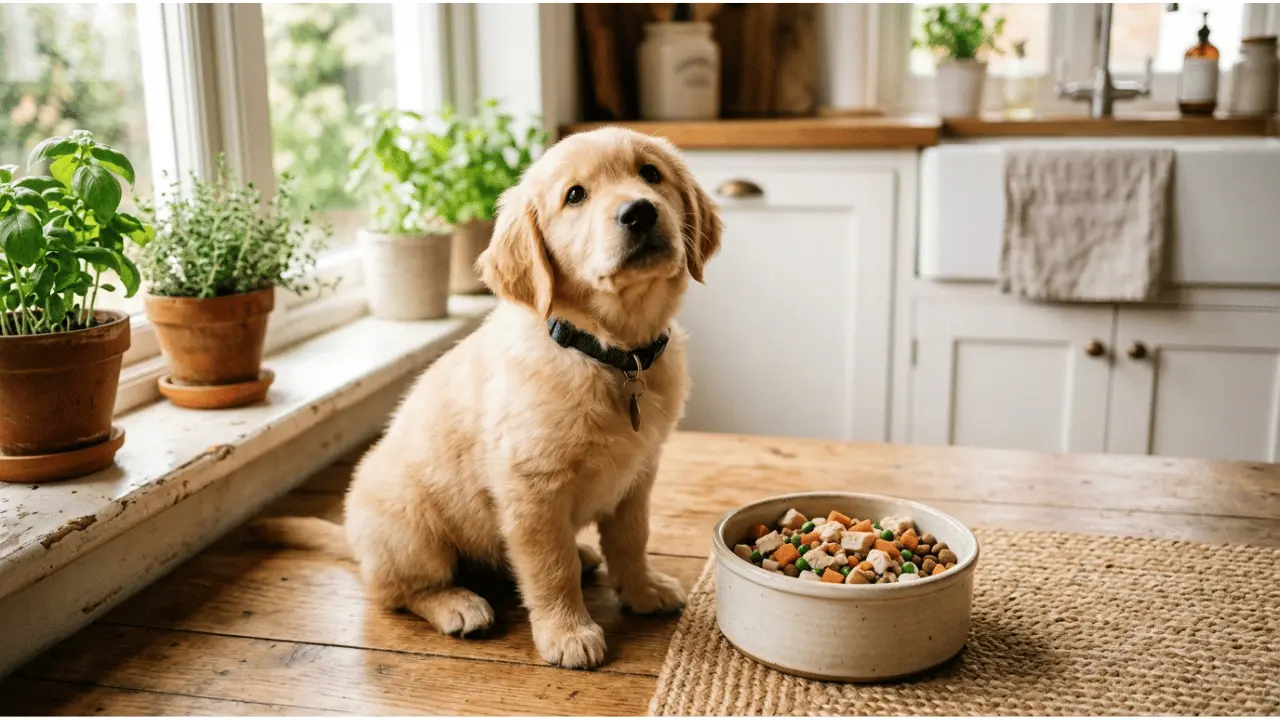
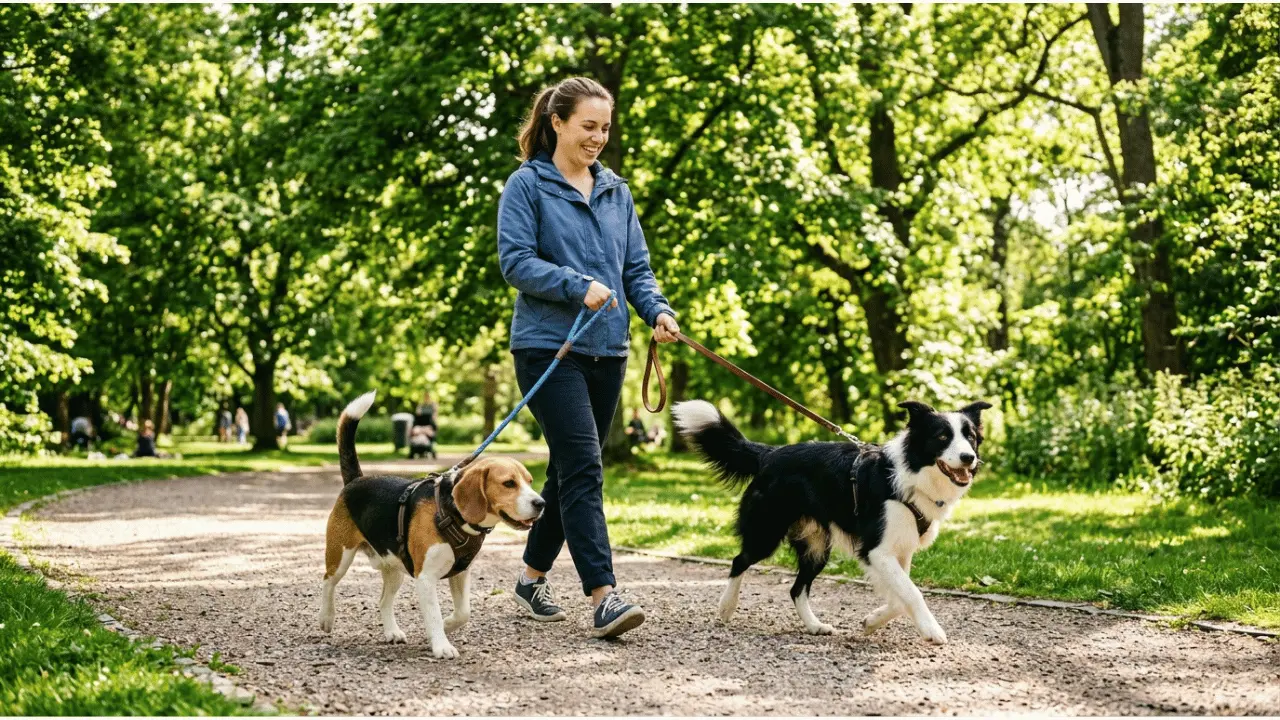
Start by accurately measuring portions instead of eyeballing them. A cup that gets filled loosely can easily contain 30 to 50% more food than you think. Cut back treats or switch to low-calorie options like plain vegetables. Increase daily activity gradually, especially if the dog has been mostly sedentary.
If you are unsure how much to cut back or your dog has a health condition alongside the weight issue, a vet visit is the right move. They can calculate a target weight and help you build a realistic plan. Weight loss in dogs should be slow, no more than 1 to 2% of body weight per week, to avoid muscle loss.