Why Nail Trimming Matters
Nails that get too long change how a dog's foot sits on the ground, pushing the toes back and putting extra strain on the joints of the foot and leg with every step. Over time this can affect gait and posture, and in severe cases it is genuinely painful. Long nails also catch more easily on carpet, furniture, and cracks in pavement, which is how torn nails happen, and a torn nail is a much worse experience for your dog than a routine trim ever is.
Tools You'll Need
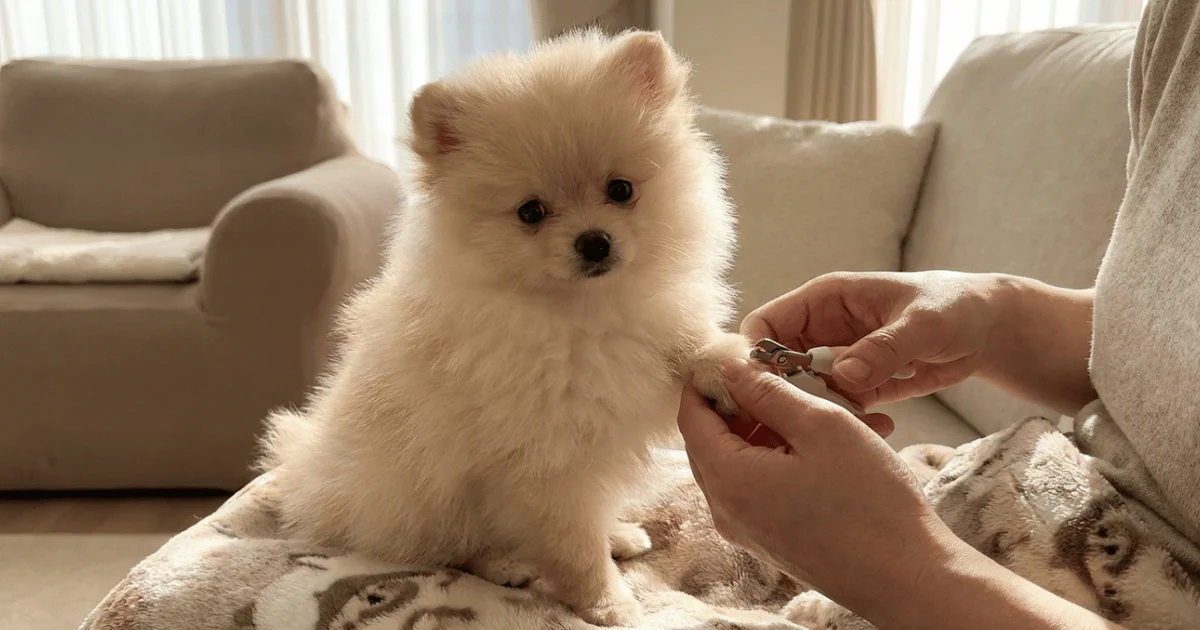
Guillotine-style clippers and scissor-style clippers both work well, and it mostly comes down to which one you find easier to control. Scissor-style tends to handle thicker nails on larger dogs better. A grinder is a good alternative for dogs that dislike the pressure of clippers, since it wears the nail down gradually instead of cutting it in one motion, though it takes a bit more patience to learn.
Keep styptic powder on hand before you start, not after. It stops bleeding quickly if you cut too close, and having it ready means you are not scrambling to find something at the worst possible moment.
Finding the Quick
The quick is the blood vessel and nerve running through the center of the nail. Cutting into it hurts and bleeds, which is the main reason people feel nervous about trimming. On light or white nails, the quick is usually visible as a pink area inside the nail, and you can trim safely right up to just before where the pink starts. On black or dark nails, the quick is not visible, so trim in small increments and stop as soon as you see a small dark dot appear in the center of the cut surface. That dot means you are getting close and should stop there.
Step-by-Step Trimming Process
Hold the paw firmly but gently, with your thumb on the pad and fingers on top of the toe to extend the nail slightly. Identify the quick using the guidance above, then make a clean, quick cut at a slight angle, following the natural curve of the nail rather than cutting straight across. Trim one small piece at a time rather than trying to take off the whole overgrown length in a single cut, especially on dark nails where you cannot see the quick.
Work through one paw fully before moving to the next, and check the dewclaw if your dog has one, since it does not wear down naturally from walking the way the other nails do and gets overlooked easily. Finish with a quick file or smooth pass with a grinder to round off any sharp edges left by the clippers.
What to Do If You Cut the Quick
Stay calm. It looks worse than it is in most cases. Press styptic powder firmly onto the nail tip for about 30 seconds, or use cornstarch or flour if that is all you have on hand in the moment. Keep your dog still and calm for a few minutes afterward, since movement and an elevated heart rate from stress can prolong the bleeding. It usually stops within a few minutes with steady pressure. If bleeding continues past ten minutes or is heavy, call your vet.
Getting a Nervous Dog Used to It
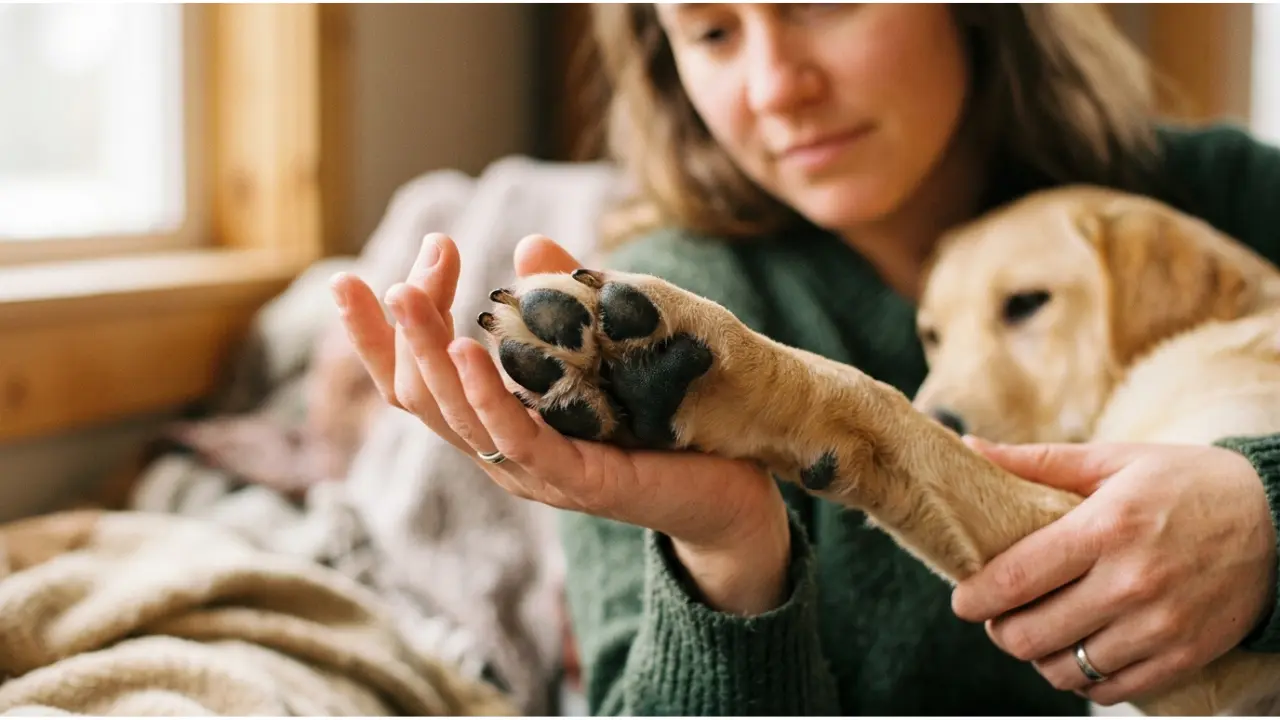
Start by simply handling your dog's paws regularly outside of trimming sessions, rewarding calm behavior with a treat each time. Introduce the clippers by letting your dog sniff them and hear the clicking sound with no nail involved at all, again paired with a reward. Once that is no longer stressful, trim just one or two nails in a session rather than pushing through all of them at once, and stop while your dog is still relaxed rather than waiting until they get fidgety.
Short, frequent, low-pressure sessions build trust faster than one long session that ends in a struggle. A dog that has one bad experience with nail trimming can take months to unlearn that association.
How Often to Trim
Most dogs need a trim every three to four weeks, though dogs that walk a lot on pavement wear their nails down naturally and may need it less often. Puppies benefit from short, gentle handling sessions early on, even before their nails need much trimming, purely to build comfort with the process before it actually matters. A relaxed, well-exercised dog also tends to sit still more easily for grooming in general, which makes routine care like this go a lot smoother for both of you.