One of the Most Overlooked Parts of Dog Care
Most dog owners think about feeding, walking, and bathing, but paws rarely get their own dedicated attention until something goes wrong. A cracked pad, an overgrown nail pressing into the floor, hair matted between the toes, or a minor cut that has been licked into a bigger problem. By then it is reactive rather than preventive.
Paws take a lot of stress. They absorb impact, navigate hot and rough surfaces, and are in contact with everything the dog walks through. For dogs in tropical climates where pavement stays hot throughout the day and rain brings mud and bacteria, paw care is genuinely important and not complicated once you build a routine around it.
Regular Paw Checks
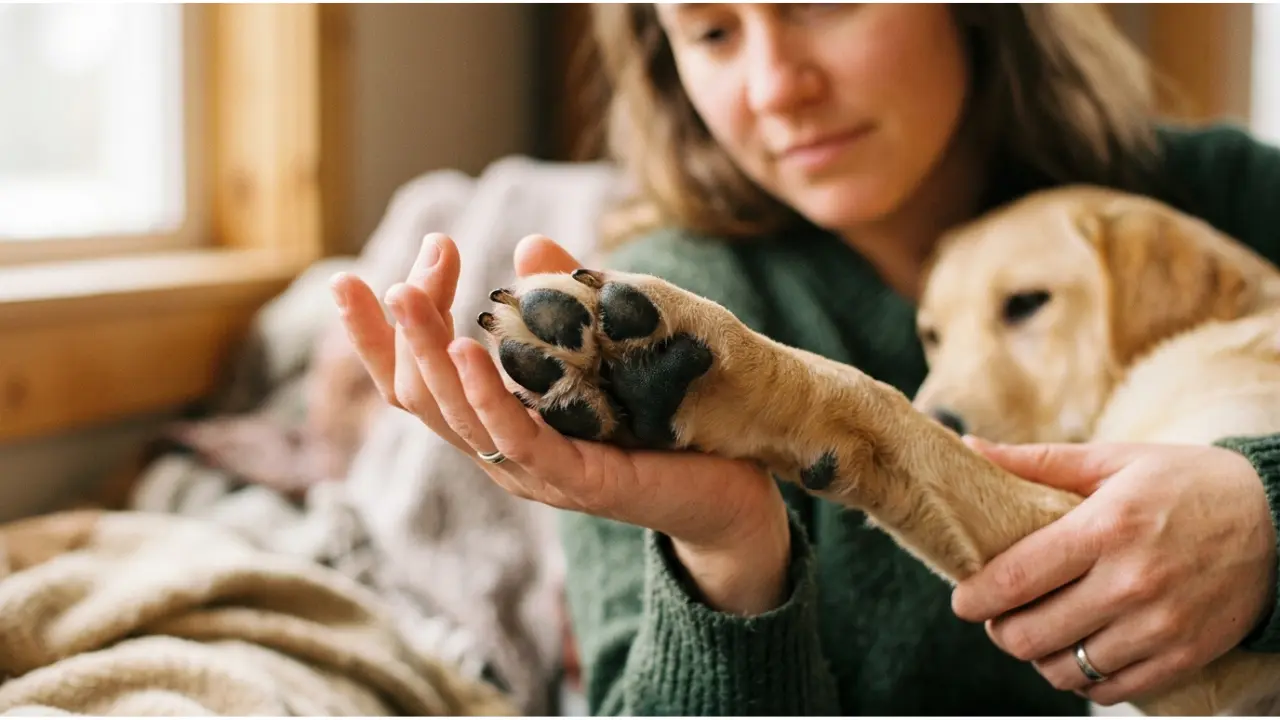
The simplest habit is to look at your dog's paws regularly. A check after every walk takes about 30 seconds and catches small issues before they become bigger ones. You are looking for a few things: cuts or scrapes on the pads, any foreign objects lodged between the toes such as gravel, thorns, or small sticks, swelling or redness around the toes, and any signs of moisture or odor that could indicate a yeast infection.
Redness and licking between the toes are worth taking seriously. A dog who constantly licks their paws to the point that the fur between the toes stains a reddish-brown color is likely dealing with allergies or a skin irritation, not just a grooming habit. That pattern deserves attention rather than just wiping the paws and moving on.
Nail Trimming
Nails that are too long cause real problems. When a dog's nails touch the ground with every step, it shifts how the foot lands, putting abnormal stress on the joints over time. Long nails also catch on things and tear, which is painful and can cause infection. You should be able to hear if your dog's nails are too long: a clicking sound on hard floors when they walk is a reliable indicator that it is time for a trim.
How often depends on the dog and how much they walk on hard surfaces like concrete or pavement, which naturally files nails down. Most dogs need trimming every three to four weeks. Dogs who mostly walk on grass or soft ground need more frequent trims because their nails wear down less.
The main concern with nail trimming is the quick, the blood vessel and nerve running through the nail. Cutting into it causes bleeding and pain and makes dogs nervous about future trims. On white or light nails you can see the quick as a pink area. On dark nails you cannot, so trim small amounts at a time and look for a grey or pink oval appearing in the cross-section of the nail as you get close. If you accidentally cut the quick, styptic powder or cornstarch pressed onto the nail stops bleeding quickly.
Paw Pad Care
Healthy paw pads should feel firm and slightly rough, not cracked, peeling, or overly soft. Cracked pads can be painful and become entry points for bacteria. They happen more often in dogs who walk on rough or very hot surfaces, or who do not get enough moisture in their environment.
A small amount of coconut oil or a dog-specific paw balm rubbed into the pads once or twice a week helps keep them supple. Avoid petroleum-based products as dogs lick their paws and will ingest whatever you apply. Natural options like shea butter, beeswax-based balms, or plain coconut oil are safe if licked in small amounts.
Very soft, almost mushy pads are also worth noting. They are more prone to abrasion and tearing on rough surfaces. If a dog has been mostly on carpet or smooth floors, their pads will be softer, and a long walk on concrete or rocky ground can leave them raw. Build up gradually rather than jumping straight to long walks on hard surfaces.
Hair Between the Toes
Long-haired breeds and dogs with fluffy feet accumulate hair between their toes that can matt, trap debris, and create a warm damp environment where yeast and bacteria thrive. This hair also reduces traction on smooth floors, causing the dog to slip.
Trimming the hair between the toes flush with the pad using small round-tipped scissors or a small clipper keeps the paw tidy and reduces these issues. It does not need to be perfectly groomed, just short enough that it is not collecting dirt and moisture or causing slipping. Do this every few weeks alongside nail trimming.
Hot Pavement in Tropical Climates
This is a particularly relevant concern in Cambodia and Southeast Asia, where pavements reach temperatures that can burn paw pads within minutes. Asphalt in direct sun can reach 60 to 70 degrees Celsius on a hot day. The general test is simple: place the back of your hand on the pavement for five seconds. If you cannot hold it there comfortably, it is too hot for your dog's paws.
Walk early in the morning or after sunset when the ground has cooled. Grass and shaded paths are safer during the day. If your dog needs to be out during hotter hours, stick to shaded routes and keep walks shorter. For dogs who need protection on unavoidably hot surfaces, dog booties work but require an adjustment period to get the dog comfortable wearing them.
Check pads after any walk on hot surfaces. Signs of burns include limping, licking the feet excessively, pads that look red or darker than usual, or blistering. If you notice any of these, keeping the dog cool and away from hot surfaces while the pads heal is essential, and a vet visit is warranted if the damage looks significant.
Cleaning Paws After Walks
Wiping paws when you come back inside removes dirt, bacteria, and environmental allergens that the dog would otherwise lick off or track through the house. A damp cloth or a paw-cleaning silicone cup with soft bristles and clean water works well. You do not need to scrub hard. A quick wipe of each pad and between the toes is enough for most days.
After walks through areas with pesticides, fertilizers, or standing water, a more thorough rinse is worth the extra minute. These can cause irritation or be toxic if ingested through licking. For dogs who already have sensitive paws or recurring paw issues, a diluted antiseptic rinse a few times a week can reduce bacterial and yeast buildup between the toes.