There Is No Single Right Answer
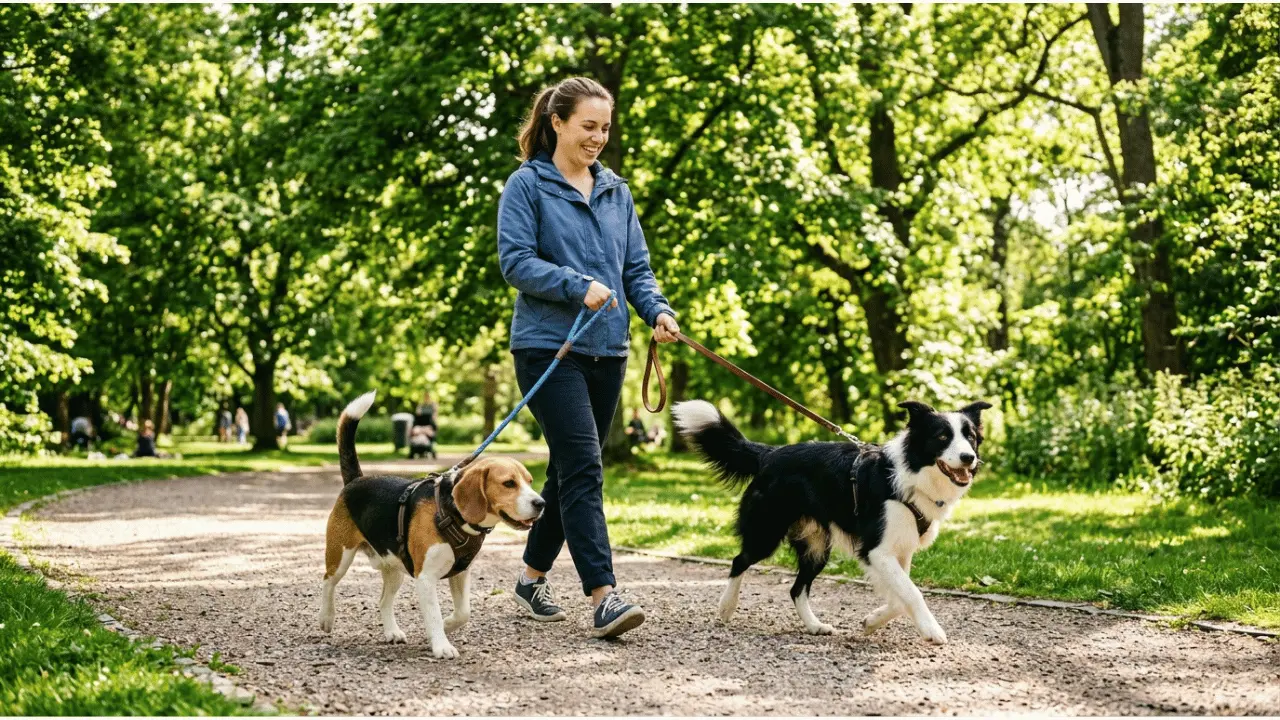
The advice of two walks a day is a starting point, not a rule. Some dogs need one short walk and are happy. Others need two to three long ones and still have energy left over. The right amount of walking comes from understanding your specific dog, not following a generic guideline.
What Actually Affects How Much Your Dog Needs
Breed is the biggest factor. Working breeds like Border Collies, Huskies, and Vizslas were built for long hours of physical activity and genuinely need a lot of exercise. Brachycephalic breeds like Bulldogs and Pugs have breathing limitations that make intense or prolonged exercise risky. Toy breeds often do fine with shorter, more frequent outings.
Age matters too. Puppies need shorter, more frequent walks because their joints are still developing. Long walks can actually cause damage in young dogs. Senior dogs often slow down and need gentler, shorter outings rather than the long runs they may have enjoyed when younger.
Health and weight play a role. An overweight dog benefits from more frequent gentle walks to build fitness gradually. A dog with joint issues may need shorter walks but more sniff time, which is mentally stimulating even without intense physical effort.
General Guidelines by Dog Type
| Dog Type | Minimum Daily Walk | Notes |
|---|---|---|
| High energy breeds | 60 to 90 minutes | Split across 2 to 3 walks |
| Medium energy breeds | 30 to 60 minutes | 2 walks usually sufficient |
| Low energy or toy breeds | 20 to 30 minutes | Short frequent walks work well |
| Puppies under 6 months | 5 minutes per month of age | Multiple short sessions |
| Senior dogs | 20 to 40 minutes | Adjust based on comfort level |
Signs Your Dog Is Not Getting Enough Exercise
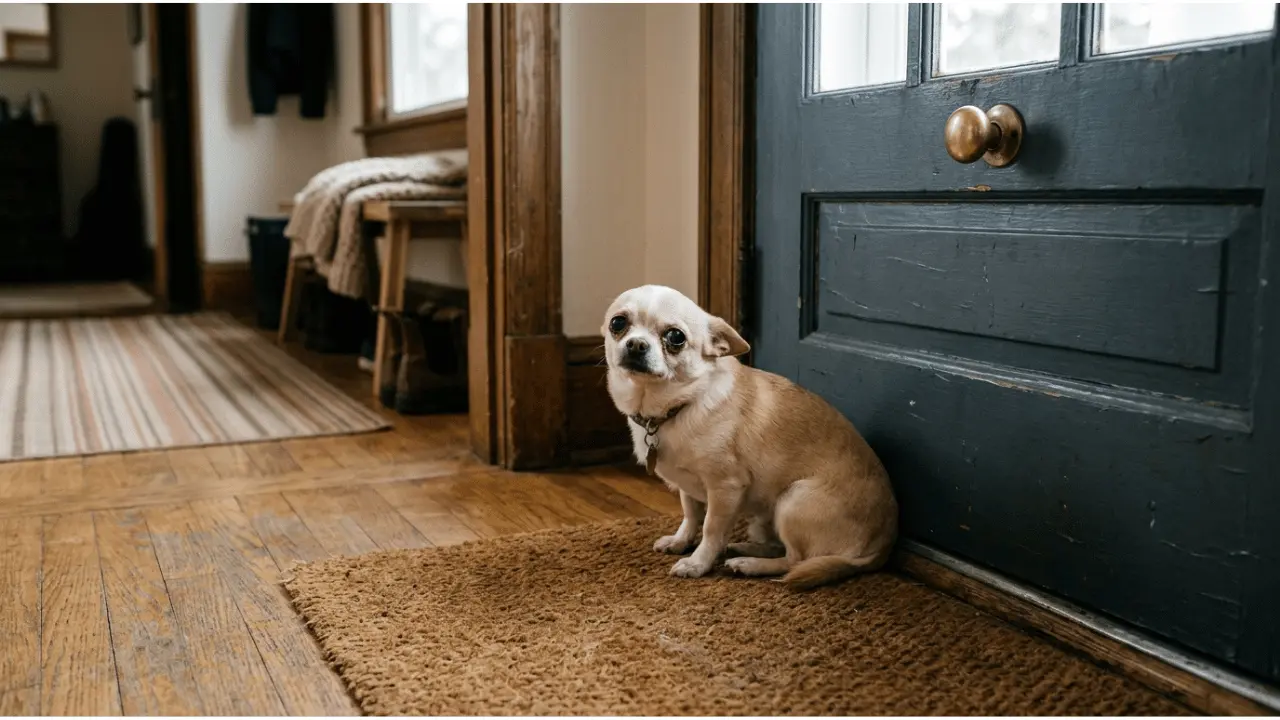
Destructive behavior at home is often a sign of pent-up energy. Chewing furniture, excessive barking, or jumping on people can all improve with more physical activity. If your dog is restless in the evenings or has trouble settling, that is also a common sign they need more outlets.
Weight gain in an otherwise well-fed dog is another indicator. If your dog's diet has not changed but they are putting on weight, more movement is needed.
Walking in Hot Weather
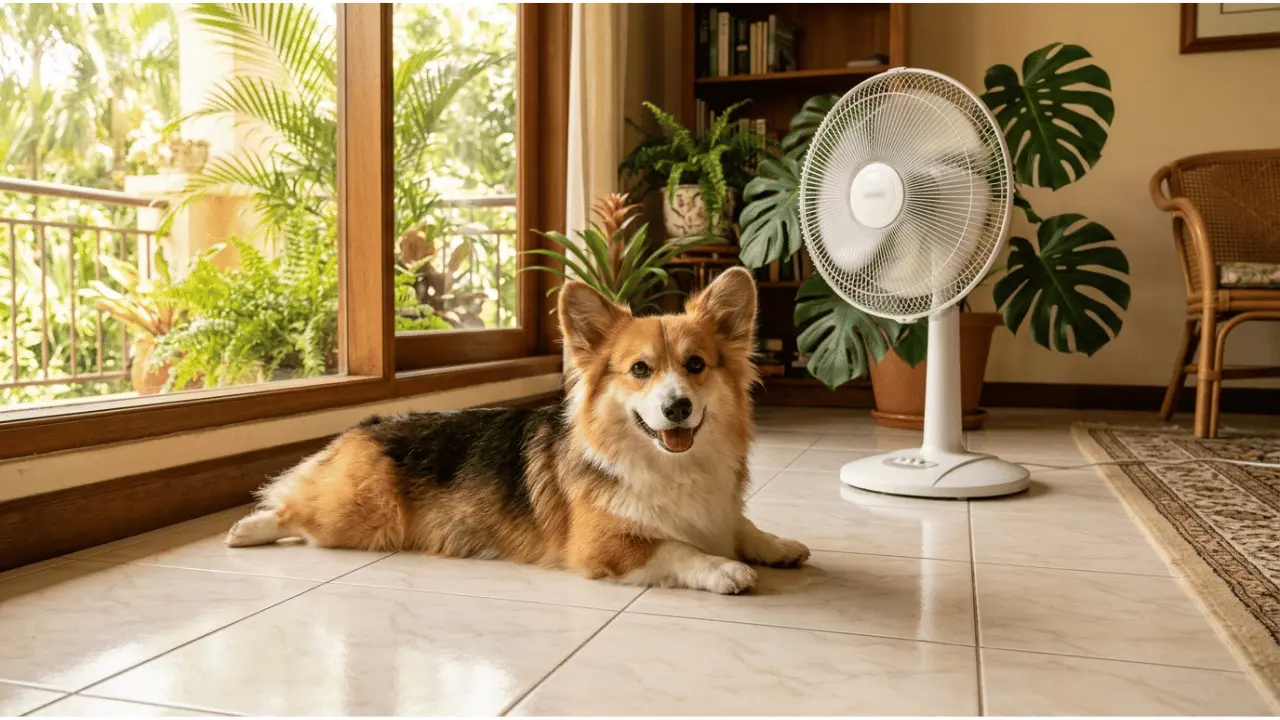
In hot climates like Cambodia, the timing of walks matters as much as the length. Early morning and after sunset are the safest windows. Pavement holds heat long after the sun goes down, so check the ground with your hand before letting your dog walk on it. If it is too hot for your palm, it is too hot for their paws.