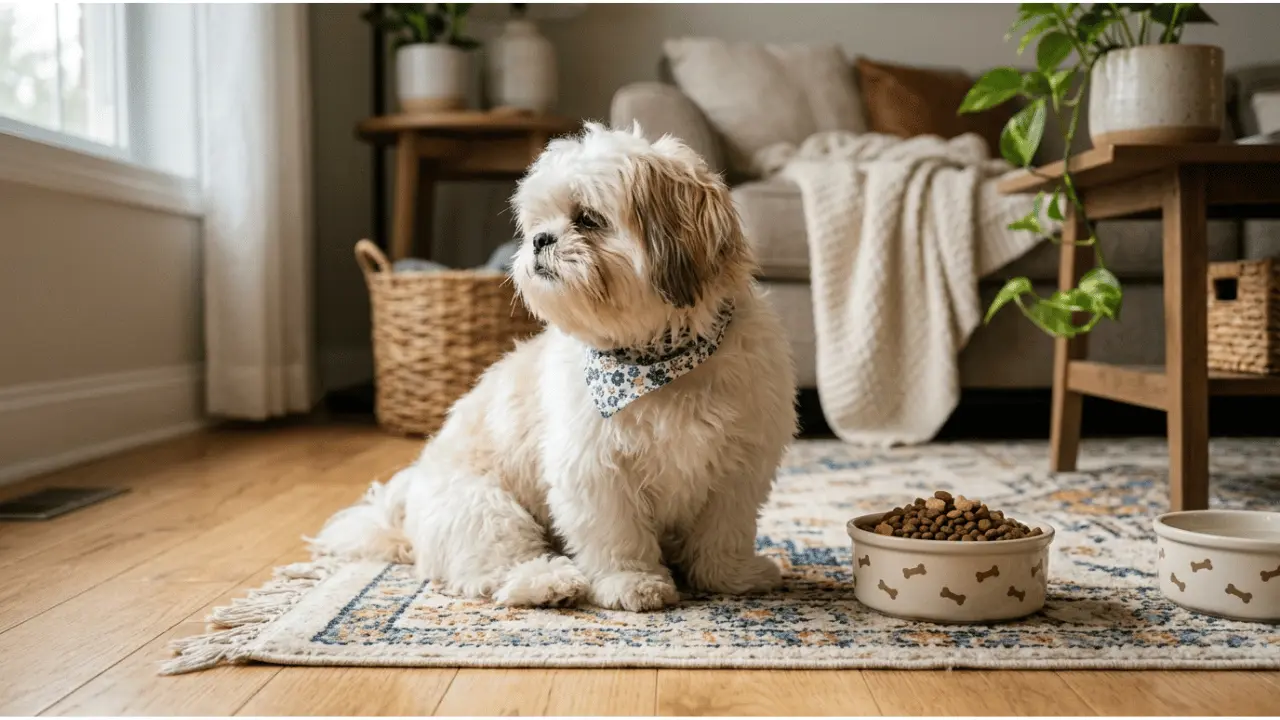
A dog that skips a meal occasionally is usually not a problem. A dog that refuses food for more than a day or two, or one that goes off food suddenly after eating normally, is worth paying attention to. The reasons range from behavioral to medical, and figuring out which you are dealing with determines what you do next.
Behavioral Reasons
Picky eating is one of the most common causes and one of the most mismanaged. Dogs that have learned they will get something better if they wait long enough become strategic about refusing food. If your dog skips a meal and then gets treats, table scraps, or a different food instead, you have likely trained the behavior without realizing it. The fix is not fun but it works: put the food down, leave it for 20 minutes, then remove it without replacing it. Most healthy dogs come around within two days.
Stress and anxiety also suppress appetite. Moving house, a new pet or family member, changes in routine, or a frightening experience can all cause a dog to stop eating temporarily. This usually resolves on its own once the dog adjusts.
If your dog stops eating suddenly with no obvious cause and also seems lethargic, is vomiting, or has a swollen abdomen, see a vet the same day. These combinations can indicate something serious.
Medical Causes Worth Ruling Out
Dental pain is a surprisingly common and underdiagnosed cause of food refusal, particularly in middle-aged and older dogs. A dog with a cracked tooth or gum infection will often stop eating hard food while accepting soft food. Check inside the mouth if your dog will allow it, looking for redness, swelling, or visible tooth damage.
Nausea from any cause, including motion sickness, medication side effects, or gastrointestinal issues, will suppress appetite. Parasites, infections, and organ problems can all present as reduced appetite before other symptoms become obvious. If food refusal lasts more than 48 hours with no clear behavioral explanation, a vet visit is the right call.
Food-Related Causes
Stale or spoiled food is often overlooked. Dry kibble that has been sitting in an open bag for weeks in a warm kitchen loses palatability and can develop off flavors or oxidize. If you have recently opened a new bag and your dog stops eating, check the batch and expiry. Contaminated batches happen more often than most owners realize.
A sudden formula change can also cause refusal. Dogs are sensitive to changes in smell and texture. If the manufacturer changed their recipe, your dog may detect it before you do. Transitioning gradually to any new food over 10 to 14 days prevents most refusal caused by diet change.
Why Picky Dogs Often Do Better on Fresh Food
Fresh food with real meat and natural broth smells significantly different from processed kibble, and that smell is what drives most of a dog's interest in food. Dogs that have been chronically picky on dry food frequently eat fresh food without any coaxing. The higher moisture content also helps dogs that find dry food difficult to chew or digest comfortably.