What Separation Anxiety Actually Is
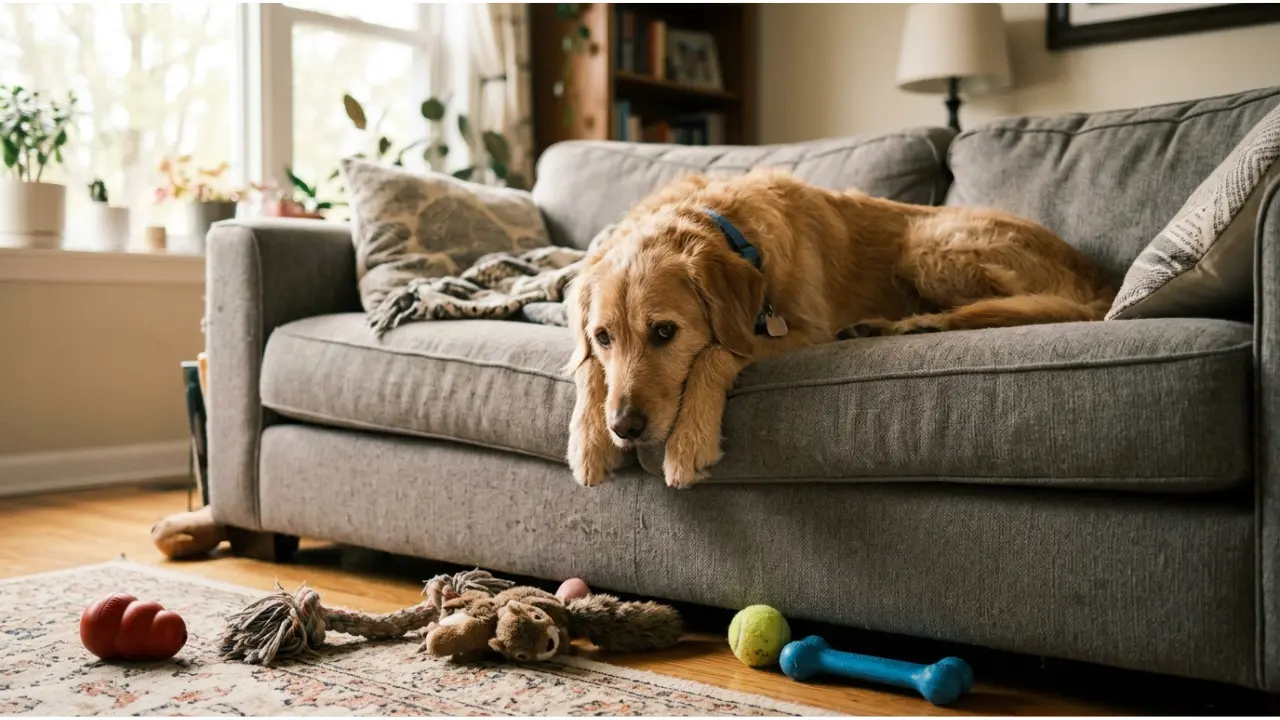
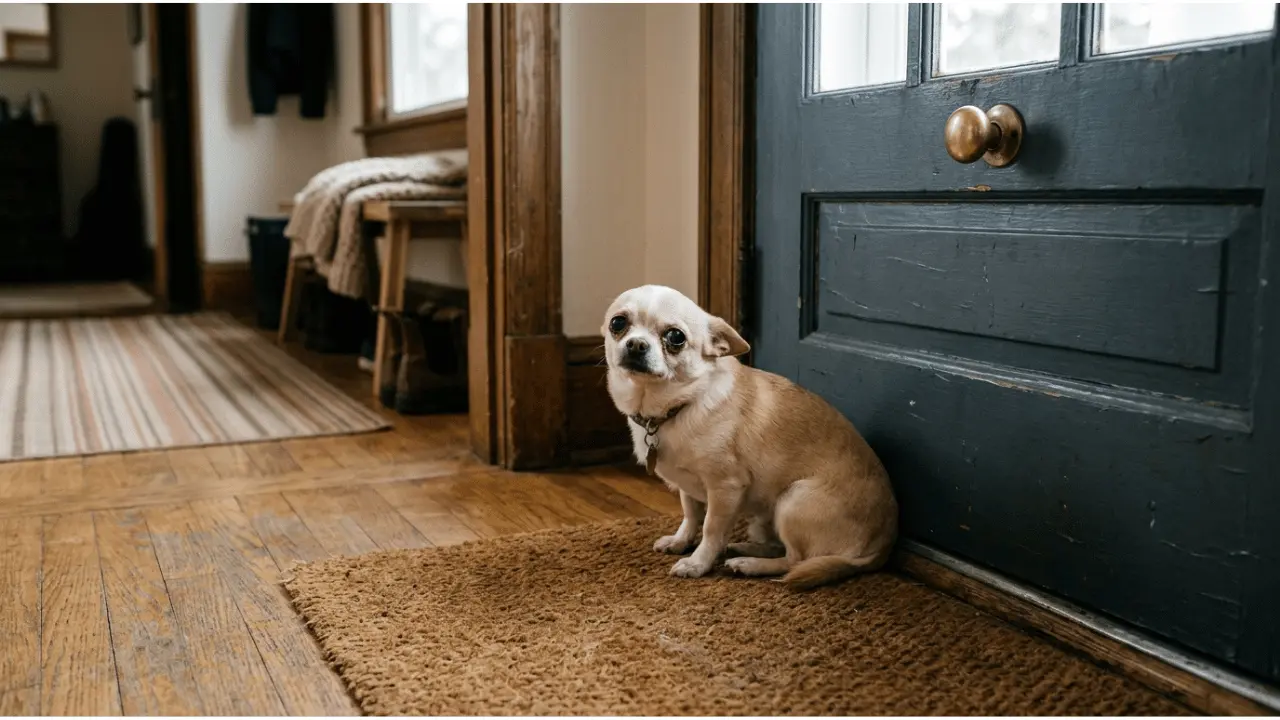
Separation anxiety is a genuine stress response in dogs, not bad behavior or spite. When a dog with separation anxiety is left alone, they experience real distress, comparable to a panic attack in humans. They are not destroying things to punish you for leaving. They are reacting to what feels like an emergency.
This distinction matters because it changes how you approach the problem. Punishment makes it worse. Understanding what is happening makes it possible to actually help.
Signs Your Dog Has Separation Anxiety
The most telling sign is that the behavior only happens when your dog is alone or separated from you. Destruction, excessive barking or howling, toileting indoors despite being house-trained, and attempts to escape are all common. Some dogs pace, drool excessively, or refuse to eat when left alone.
You may come home to chewed furniture focused around doors or windows, which is where dogs try to escape. Some dogs injure themselves trying to get out. These are not mild issues.
What Causes It
Some dogs are simply more prone to anxiety than others. Rescue dogs with unknown histories, dogs that were rehomed multiple times, or dogs that experienced sudden changes in routine are commonly affected. Breed can play a role, with some breeds being more velcro-like by nature. Significant life changes like moving, a new baby, or a change in the owner's schedule can also trigger it.
What Actually Helps
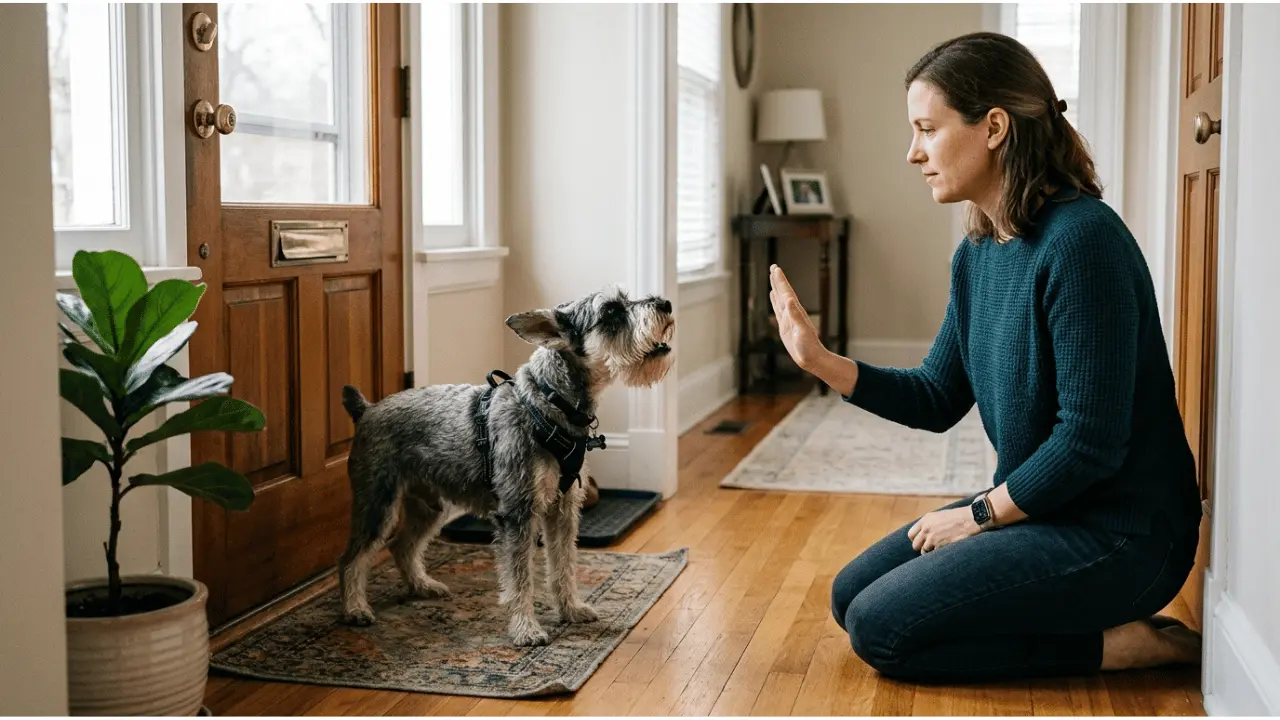
Desensitization to departure cues is the most effective long-term approach. Dogs learn to predict your departure from routine cues like picking up keys, putting on shoes, or grabbing a bag. By doing these things without leaving, repeatedly, you gradually disconnect the cue from the anxiety response. This takes time and consistency.
Short departures that build gradually help teach your dog that being alone is temporary and safe. Start with very short absences, even just stepping outside for 30 seconds, and build up slowly over weeks. Rushing this process does not work.
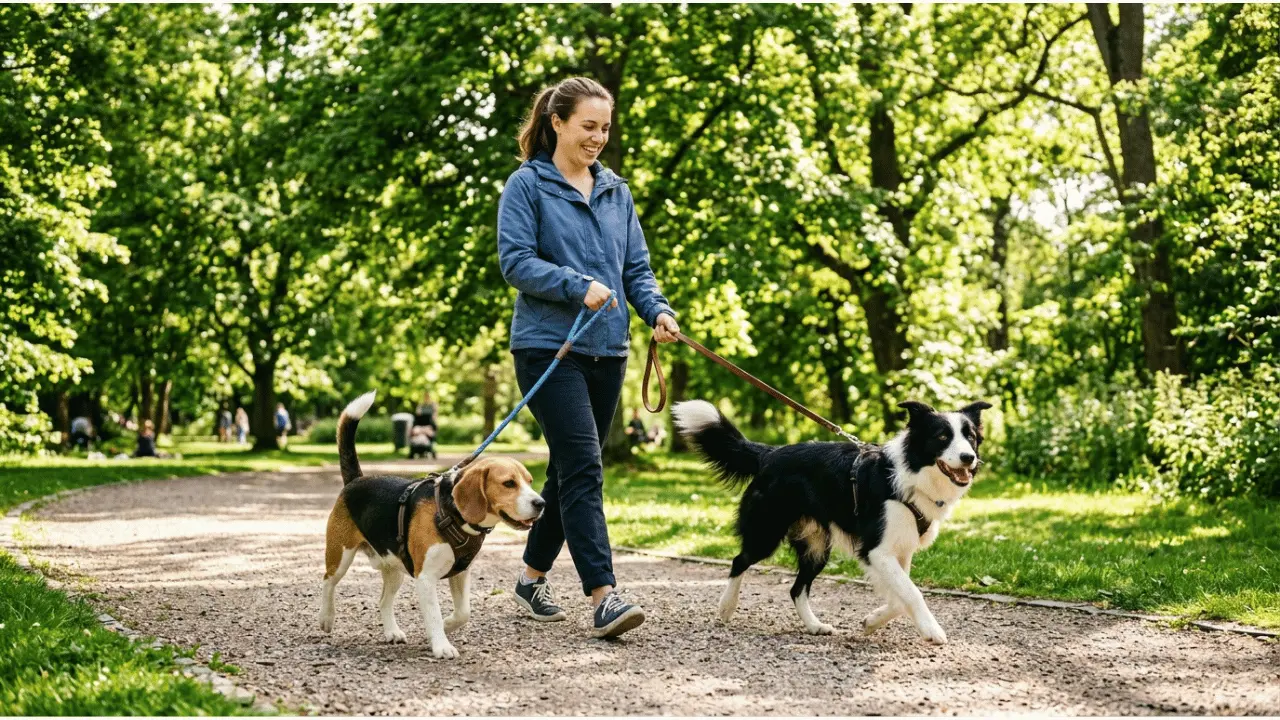
Enrichment before you leave helps but does not fix the underlying anxiety. A tired dog is calmer, and a food puzzle or Kong filled with frozen food can occupy them during the early phase of your absence, which is when anxiety peaks.
A consistent routine helps anxious dogs feel more secure. Predictability reduces stress. Try to leave and return at similar times, and keep pre-departure and arrival routines calm and low-key.
| Approach | What It Does | Time to See Results |
|---|---|---|
| Desensitization to departure cues | Disconnects triggers from anxiety response | Several weeks |
| Gradual alone time training | Teaches that absences are safe and temporary | Weeks to months |
| Enrichment before departure | Reduces initial anxiety spike | Immediate but temporary |
| Consistent routine | Increases general sense of security | 1 to 2 weeks |
| Vet-prescribed medication | Reduces baseline anxiety to enable training | Varies by medication |
When to Get Professional Help
Severe separation anxiety where your dog is injuring themselves or cannot be left alone at all warrants help from a veterinary behaviorist. Medication can be a useful tool alongside behavioral work, not as a replacement. There is no shame in getting professional support for this. It is a real condition and it is treatable.