Yes, But Remove the Seeds and Rind
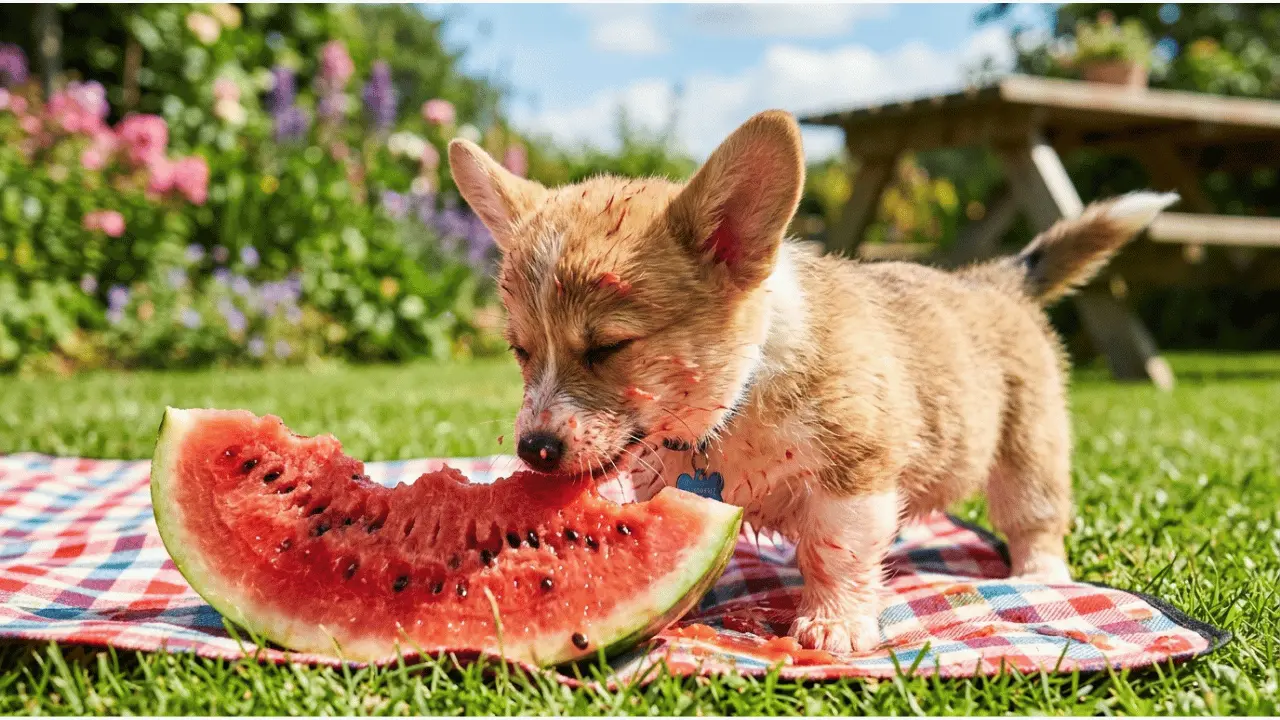
Watermelon is safe for dogs and most of them absolutely love it. It is hydrating, low in calories, and contains vitamins A, B6, and C. In hot weather, it is one of the better treats you can offer because of how much water it contains, around 92%.
The two things to sort out before serving are the seeds and the rind. Both can cause problems that the flesh itself does not.
Seeds: Remove Every Single One
Watermelon seeds are not toxic, but they can cause intestinal blockages, especially in smaller dogs. A seed or two is unlikely to cause an issue, but making a habit of giving your dog seeded watermelon is not worth the risk. Always use seedless watermelon or take the time to remove the seeds manually.
The Rind is a Problem
The green outer rind is very hard to digest and can cause stomach upset, vomiting, or diarrhea. In some cases it can cause a blockage. Always cut off the rind completely and only offer the pink flesh. The pale white part just inside the green is also best avoided since it is tough and fibrous.
How Much to Give
Despite being mostly water, watermelon still contains natural sugar. Keep it within the 10% treat rule based on your dog's daily caloric intake.
| Dog Size | Safe Serving |
|---|---|
| Small (under 10kg) | 1 to 2 small cubes |
| Medium (10 to 25kg) | A few cubes, roughly a cup |
| Large (over 25kg) | Up to two cups |
Why Watermelon Works Well as a Treat
Compared to commercial dog treats, watermelon is low in calories, has no artificial ingredients, and provides real hydration. For dogs that do not drink enough water, watermelon is a useful way to top up their fluid intake without forcing anything.
Lycopene, which gives watermelon its red color, is also an antioxidant that may support heart health. The science on this in dogs is not as strong as in humans, but it is a nice bonus from a fruit that is already a good choice.
When to Hold Back
Dogs with diabetes should only get watermelon with vet approval due to the natural sugar content. Dogs prone to digestive issues should start with a very small amount to see how they handle it before you give more. If your dog gets diarrhea after eating watermelon, hold off and try again with a smaller amount later.