What Probiotics Actually Do
Probiotics are live bacteria that, consumed in adequate amounts, benefit the health of the host. In dogs, the relevant bacteria live primarily in the large intestine and form what is called the gut microbiome. A healthy microbiome is diverse, with many different strains working together to digest food, produce certain vitamins, regulate immune responses, and keep harmful bacteria from taking over.
Taking a probiotic adds more of the beneficial strains to that ecosystem. The idea is not to permanently colonize the gut. Most probiotic strains do not stick around long-term. The goal is to support balance during times when the microbiome is disrupted or under stress, and to provide enough of the right bacteria to crowd out the less helpful ones while the gut recovers.
The Gut Connection
The gut is one of the most important and often underestimated systems in your dog's body. About 70 percent of the immune system lives there, the gut communicates directly with the brain, and how well your dog absorbs nutrients depends heavily on the state of the gut microbiome. If you want to understand why gut health matters so far beyond just digestion, our guide on why your dog's gut health affects mood, coat, and energy covers it in detail. This article picks up from there, focusing specifically on where probiotics fit into the picture.
When the microbiome is disrupted, whether by antibiotics, illness, stress, or a sudden food change, the effects show up in places that seem unrelated. Loose stools, reduced appetite, changes in energy or mood, and in some dogs, recurring skin reactions. Supporting the microbiome during and after these periods is where probiotics are most useful.
When Dogs Actually Need Them
After a course of antibiotics is the clearest case. Antibiotics kill bacteria without distinguishing between helpful and harmful strains. A gut that was in good balance before a course of antibiotics can take weeks to recover, and providing probiotic support during and after that window makes a measurable difference in how quickly normal function returns.
Other practical situations include stressful events like boarding, travel, or changes in the home environment. Periods of digestive upset, recovery from illness, and transitions to a new diet are also times when the microbiome is under extra pressure. Dogs that are prone to loose stools, irregular digestion, or recurring gas can benefit from low-dose consistent probiotic support even outside of these specific windows.
Natural Sources vs Supplements
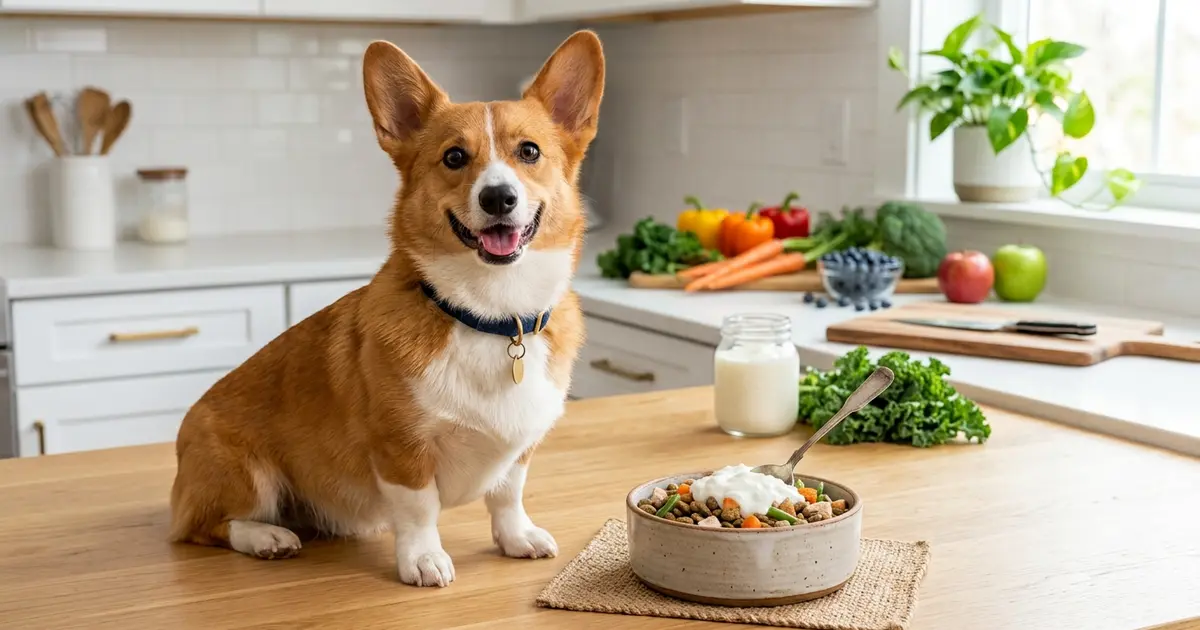
Plain unsweetened yogurt and kefir are the most accessible natural sources of live cultures. A tablespoon of yogurt or kefir added to your dog's meal a few times a week provides beneficial bacteria and most dogs handle it well. Look for products with "live active cultures" on the label. Avoid anything with added sugar, artificial sweeteners (xylitol in particular is toxic to dogs), or artificial flavors.
Small amounts of fermented vegetables can also work. Plain sauerkraut without added salt or vinegar, about a teaspoon amount, is occasionally used. The taste is not universally popular, but some dogs take to it without complaint.
Probiotic supplements give you more control over the specific strains and the dose. This matters more in clinical situations, such as after antibiotics or for a dog with a diagnosed gut condition, where you want a known and consistent quantity of specific strains rather than the variable amount in a spoonful of yogurt.
How to Choose a Supplement
Look for a product formulated specifically for dogs rather than humans. The bacterial strains that are effective in dogs are not always the same as those used in human probiotics, and dosing for a 5kg dog is very different from a dose designed for an adult human. Using a canine-specific product removes most of the guesswork.
Multiple strains is better than a single strain. Look for products containing at least Lactobacillus acidophilus, Lactobacillus rhamnosus, and Bifidobacterium animalis. These are among the best-researched strains for canine gut health. The colony-forming unit count should be in the billions, not millions. Check the expiry date too. Live bacteria degrade over time, and some products require refrigeration to remain viable.
What to Expect and How Long It Takes
Results are not overnight. In most dogs, noticeable changes in stool consistency take one to three weeks of consistent supplementation. After antibiotics, it can take four to six weeks of support before gut function fully normalizes. The most reliable sign that things are moving in the right direction is more consistent, well-formed stools over time.
Energy and mood are harder to attribute to a single change, but dogs with chronic gut discomfort often seem more settled and comfortable once digestion stabilizes. If you are also looking at the diet itself, fresh food with natural fiber and variety does a lot of the work on its own. Pawby Kitchen's meals are built on whole ingredients that naturally support gut bacteria diversity, which means for many dogs, a well-chosen diet reduces how much supplementation is needed in the first place.