Why Mental Stimulation Matters
Physical exercise gets a lot of attention, but mental stimulation is just as important for a dog's wellbeing. A dog that is physically tired but mentally understimulated will often find their own ways to stay busy, usually by chewing things, barking, or getting into trouble.
Enrichment activities engage a dog's brain, satisfy natural instincts, and reduce stress and boredom. A dog that gets regular mental stimulation is calmer, more focused, and generally easier to live with.
Nose Work and Sniffing
A dog's nose is their primary way of experiencing the world. Giving them opportunities to use it properly is one of the most effective forms of enrichment available. Sniffing is mentally tiring in a way that physical exercise alone is not.
Simple nose work at home: hide small pieces of food around a room and let your dog find them. Scatter kibble in the grass. Use a snuffle mat. These activities tap into a dog's natural foraging behavior and can tire them out surprisingly quickly.
Food Puzzles and Slow Feeders
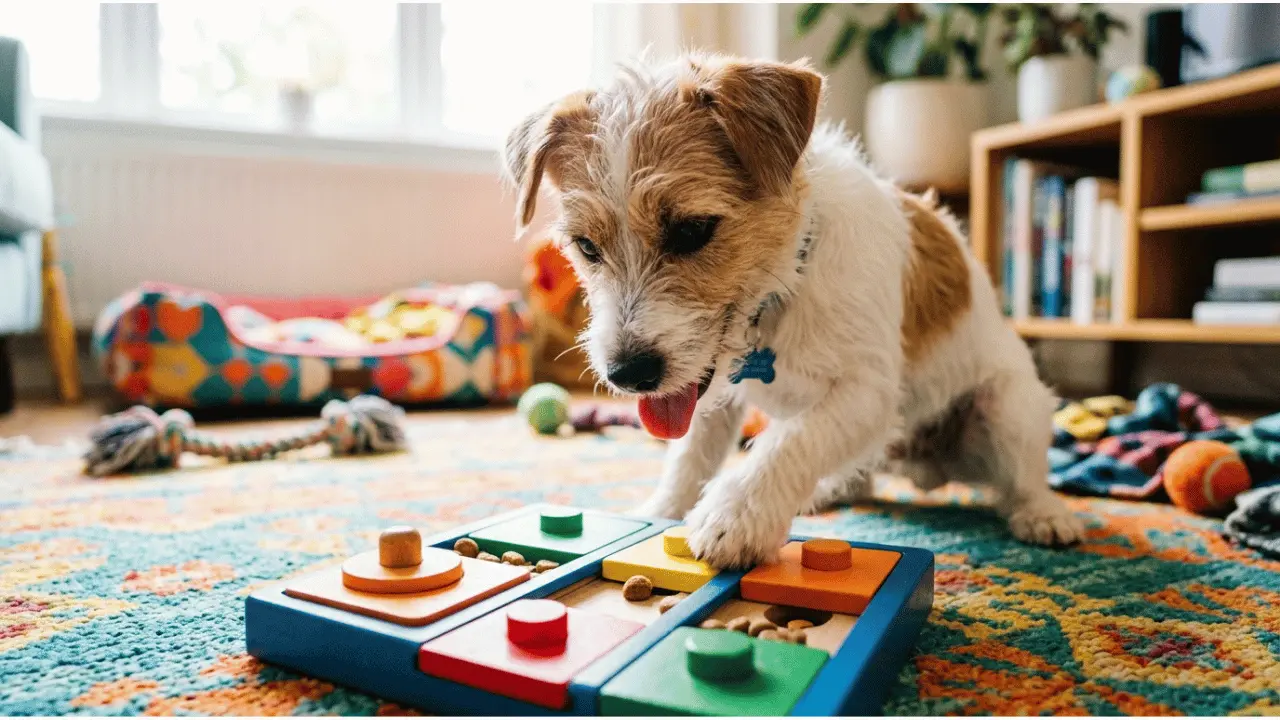
Switching from a bowl to a puzzle feeder or a Kong stuffed with food is one of the easiest enrichment upgrades you can make. Instead of inhaling food in 30 seconds, your dog has to work for it. This slows eating, reduces gulping, and gives the brain something to do at every meal.
For frozen Kongs, mix your dog's regular food with a little water or plain broth, stuff the Kong, and freeze it overnight. A frozen Kong on a hot day in Cambodia keeps a dog occupied and cool at the same time.
Short Training Sessions
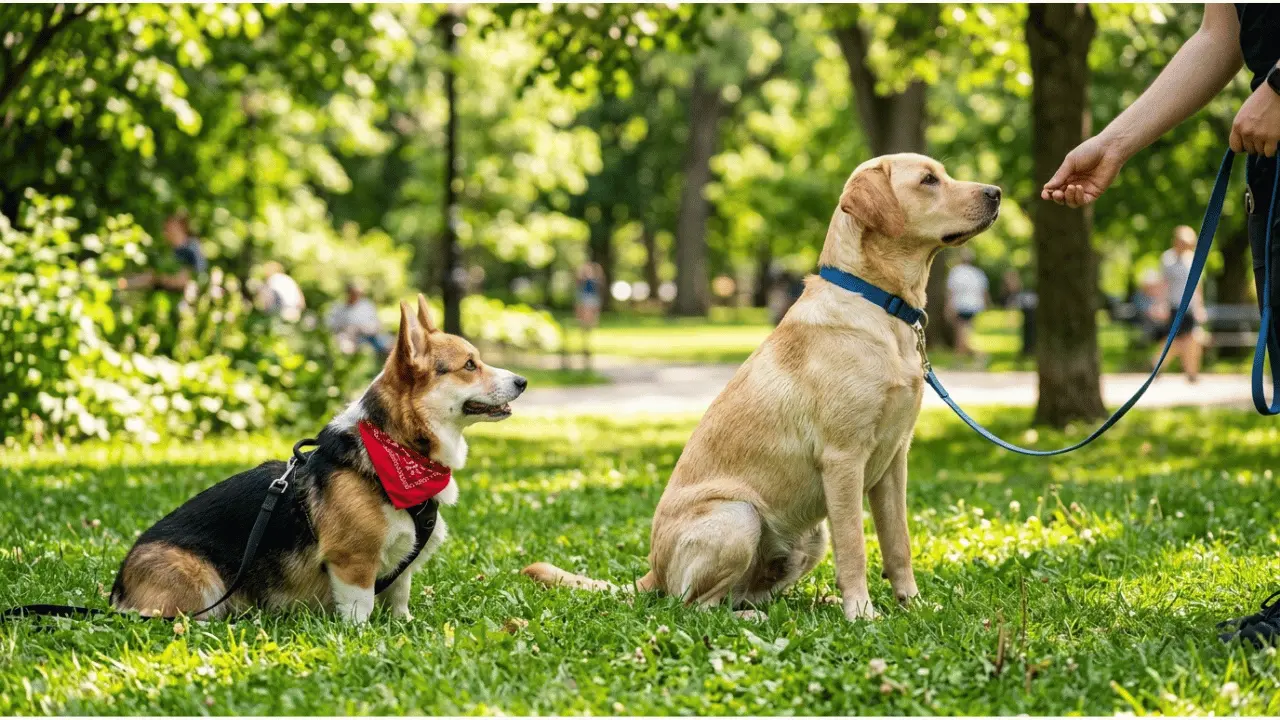
Learning new things is mentally demanding for dogs. Even five minutes of training a new command or trick can meaningfully tire a dog out. Keep sessions short, positive, and varied. Dogs that get regular training sessions tend to be more attentive and easier to manage overall.
You do not need complex tricks. Basic obedience run through in a new location, or with new distractions, is challenging enough to count as enrichment.
Social Enrichment
For social dogs, time with other dogs is genuinely enriching. Playdates, trips to a park where they can interact with other dogs, or even structured play with you at home all contribute to mental and emotional wellbeing.
Not all dogs are social. Some prefer human company and find other dogs stressful. Know your dog and do not force social interaction that makes them uncomfortable.
Environmental Enrichment
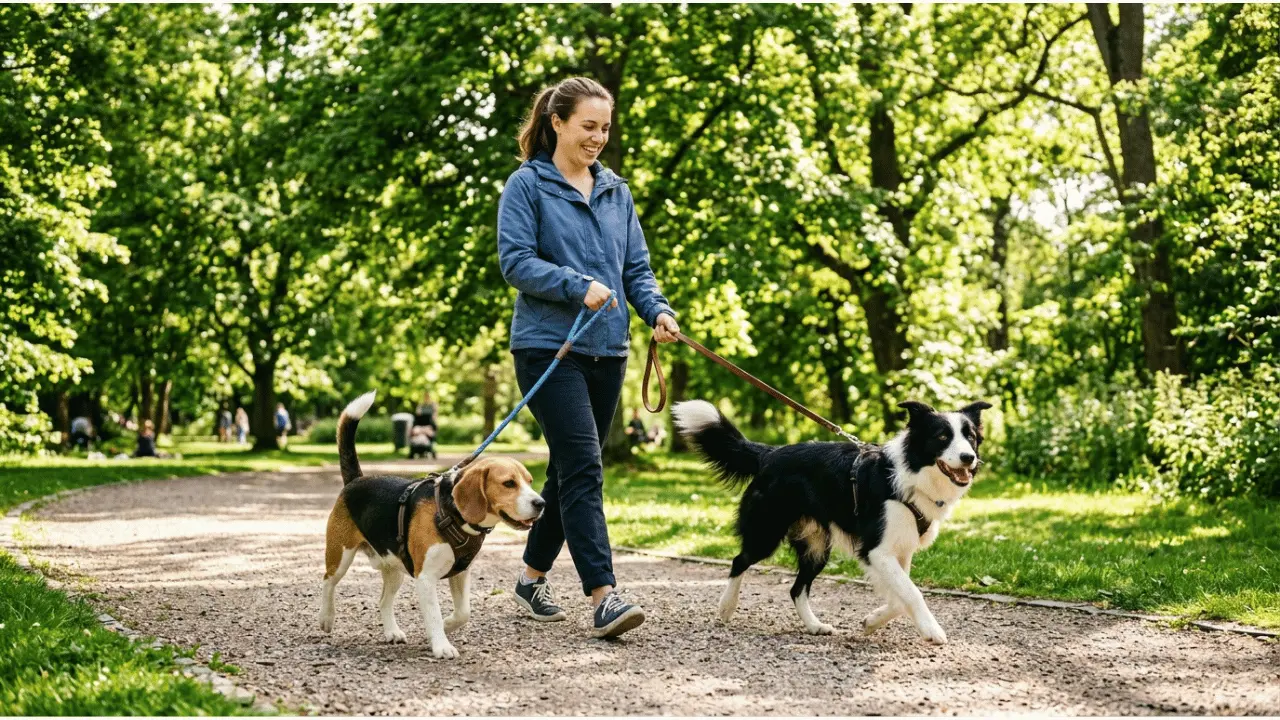
Novelty is enriching. New smells on a walk are more stimulating than the same route every day. Letting your dog sniff freely rather than keeping them moving the whole time makes walks far more satisfying for them. A cardboard box with treats hidden inside is a cheap and effective enrichment toy that most dogs love.
Rotate toys rather than leaving all of them available all the time. Bringing out a toy that has been put away for two weeks feels new and interesting again.