Why Sit Is the Right Place to Start
Sit is one of the easiest commands to teach and one of the most useful to have. Once a dog reliably sits on cue, you can use it to manage behavior in almost any situation: before meals, at the door, before crossing the road, when guests arrive. It is also the foundation that makes teaching other commands much easier because your dog is already in a calm, attentive position.
What You Need
Small treats your dog finds genuinely motivating. Not their regular food, something they get excited about. The treat needs to be worth working for. Small pieces of cooked chicken, cheese, or a commercial treat that your dog responds to well. Keep sessions short, five minutes is plenty, and train when your dog is alert but not overly excited.
The Lure Method
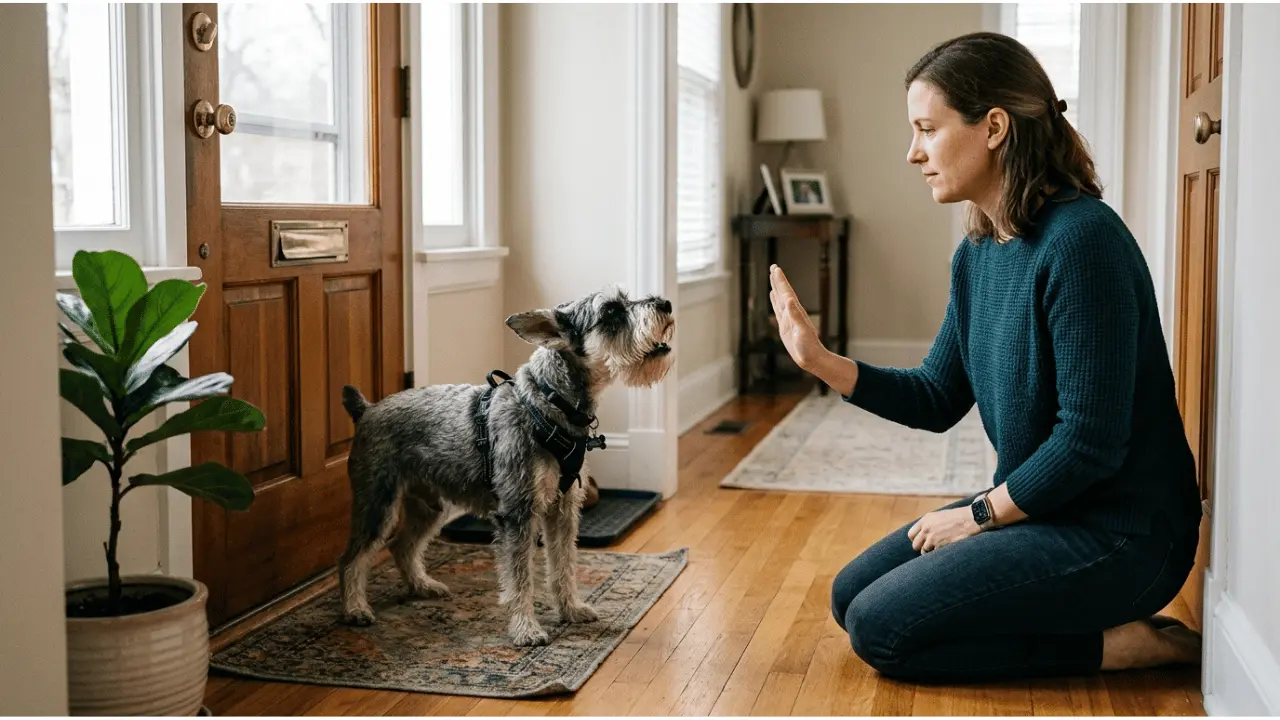
Hold a small treat close to your dog's nose. Slowly move the treat up and back over their head. As the treat moves back, your dog's nose follows it upward and their bottom naturally goes down. The moment their bottom touches the ground, say "sit" clearly and give the treat immediately.
Repeat this five to ten times. Most dogs pick it up quickly because the movement is natural for them. You are not forcing anything, just guiding their body into a position they would naturally take.
After several repetitions with the lure, try saying "sit" before you start the hand movement. If your dog begins to anticipate and sits before you complete the gesture, they are learning the word, not just following the hand. That is exactly what you want.
Moving Away from the Lure
The lure is a teaching tool, not a permanent part of the command. Once your dog is sitting reliably with the treat in your hand, start doing the same hand motion without a treat. Reward from your other hand or pocket. This teaches your dog to respond to the gesture and word, not just the smell of food.
Gradually reduce the hand gesture until your dog responds to just the word "sit." This takes a few days of short practice sessions for most dogs.
| Stage | What You Do | Goal |
|---|---|---|
| Luring | Treat at nose, move up and back | Dog learns the physical movement |
| Adding the word | Say sit, then lure | Dog starts connecting word to action |
| Fading the lure | Same gesture, no treat in hand | Dog responds to gesture, not food smell |
| Word only | Just say sit, no gesture | Dog responds to verbal cue alone |
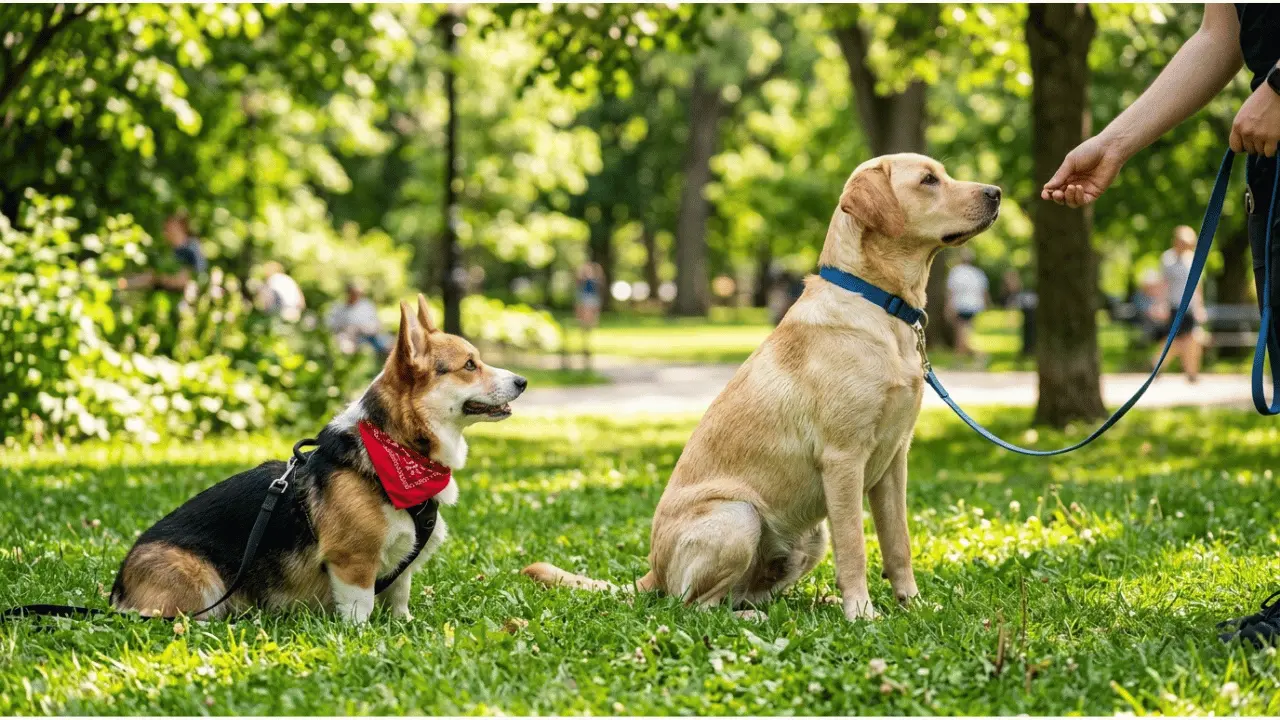
| Generalization | Practice in different locations | Dog sits anywhere, not just at home |
Common Mistakes to Avoid
Repeating the command multiple times before the dog responds teaches them they can ignore the first few cues. Say it once, clearly. If nothing happens, help them with the lure. Saying "sit sit sit" trains your dog to wait for the third "sit."
Ending sessions on a failure is discouraging for both of you. If the session is not going well, ask for something your dog already knows confidently, reward that, and end there. Always finish on a win.
Training too long is a common mistake. Five focused minutes is better than twenty distracted ones. When your dog starts looking away or losing interest, stop. Come back fresh next time.