What Dog Anxiety Actually Looks Like
A friend's beagle used to shake every time there was thunder. Not just a little tremble, but full-body shaking that lasted hours after the storm passed. She tried everything she had heard of, including playing music and putting the dog in a small room. Nothing helped much until she actually understood what was happening in the dog's brain.
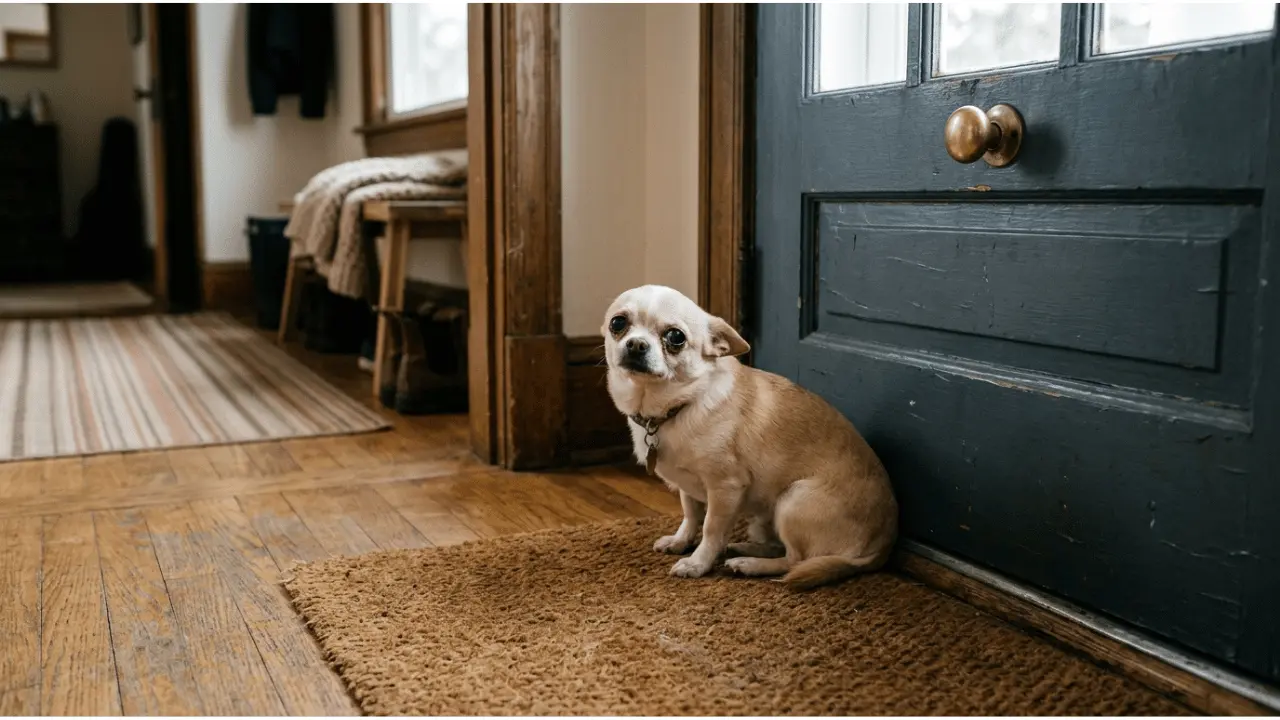
Anxiety in dogs shows up in a lot of ways. Panting without physical exertion, pacing, yawning repeatedly, tail tucked low, ears pinned back, excessive licking, refusing to eat, hiding, or clinging to their person. Some dogs become destructive. Others shut down. Learning to read your specific dog's anxiety signals is the first step to actually helping them.
Common Anxiety Triggers
Loud noises are the big one: fireworks, thunder, construction sounds. Then there is separation from their person, which ranges from mild discomfort to full separation anxiety. Unfamiliar environments, strangers, other dogs, car rides, and vet visits are also common triggers. Some dogs develop anxiety around specific situations that spooked them once, even if that situation is not inherently scary.
Understanding the specific trigger helps you address it more effectively, because what works for noise anxiety is not necessarily what works for social anxiety.
What Actually Helps
Staying calm yourself is more powerful than it sounds. Dogs read our energy constantly. If you become tense or over-attentive when they show anxiety, they may interpret that as confirmation that something is indeed wrong. Being relaxed and matter-of-fact around a known trigger, rather than rushing to comfort with a worried voice, can actually reduce the intensity of their response over time.
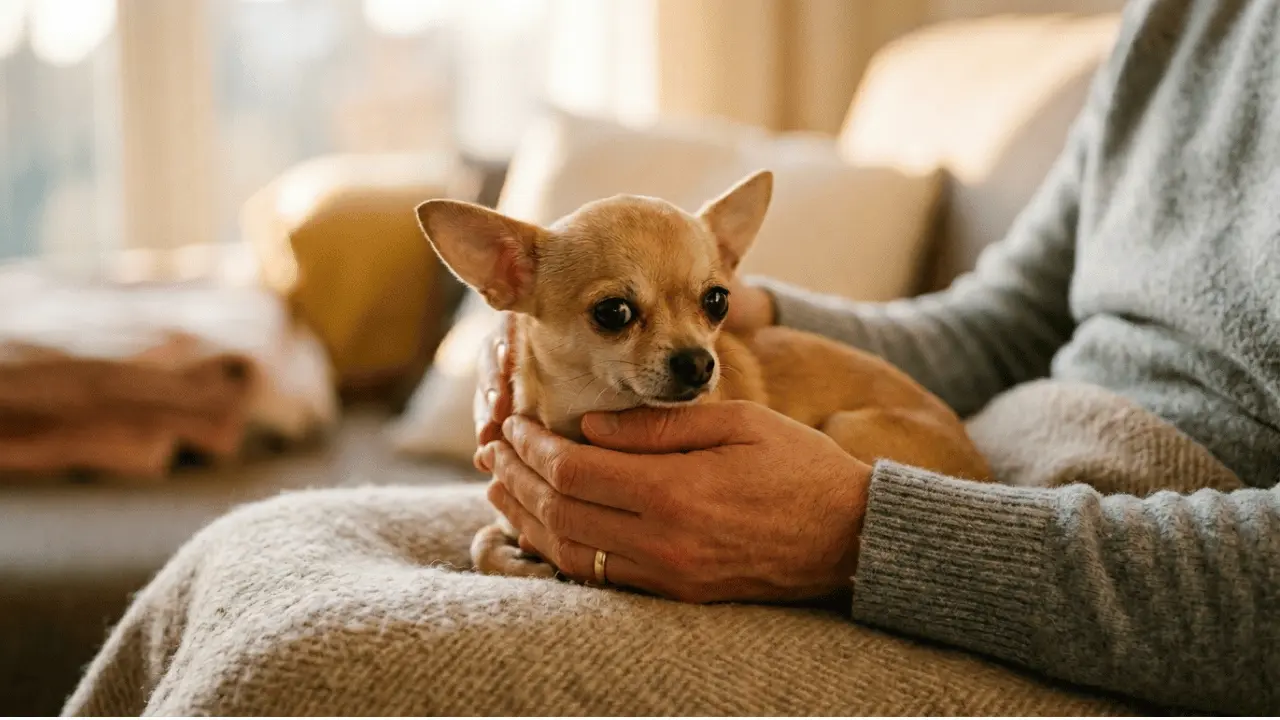
Creating a safe space works well for a lot of dogs. A covered crate in a quiet corner, a specific bed in a low-traffic area, somewhere that is consistently associated with calm and safety. When a dog has a place they can retreat to and feel secure, they often regulate faster during anxious moments.
Gradual Desensitization
For specific triggers, systematic desensitization is one of the most effective long-term approaches. It involves exposing the dog to the trigger at a very low intensity, below the threshold that causes anxiety, and pairing it with something positive. Over time, you very gradually increase the intensity while keeping the positive association.
For noise anxiety, this might mean playing a recording of thunder at very low volume while feeding treats, over many sessions. It takes time and consistency, but it genuinely works for a lot of dogs with specific fear responses.
When to Involve a Vet
If anxiety is severe enough to affect your dog's quality of life or safety, a vet conversation is worthwhile. There are calming supplements, pheromone products, and in serious cases, medications that can help manage anxiety while behavior work happens alongside. Anxiety is a real physiological state, not a personality flaw, and there is no shame in getting professional support for it.
A certified animal behaviorist or trainer experienced with anxiety can also be helpful if behavior modification is the route you want to take. The combination of good training and the right support makes a real difference for anxious dogs.