When Shaking is Totally Normal
Most dog shaking is completely harmless. Dogs shake when they wake up, when they are wet, when they are excited to see you, or when they are cold. If your dog shakes in these situations and then goes back to acting completely normal, there is nothing to worry about.
The wet-dog shake is actually one of the most efficient drying mechanisms in the animal world. Dogs can oscillate their bodies at a speed that removes roughly 70% of the water from their fur in just a few seconds. It just happens to send all that water flying onto everything around them.
Cold and Shivering
Small breeds, short-haired dogs, and puppies are especially prone to shivering when temperatures drop. If your dog is shaking in cool weather or after a bath, that is just their body trying to generate heat. A warm towel or dog jacket usually sorts it out quickly.
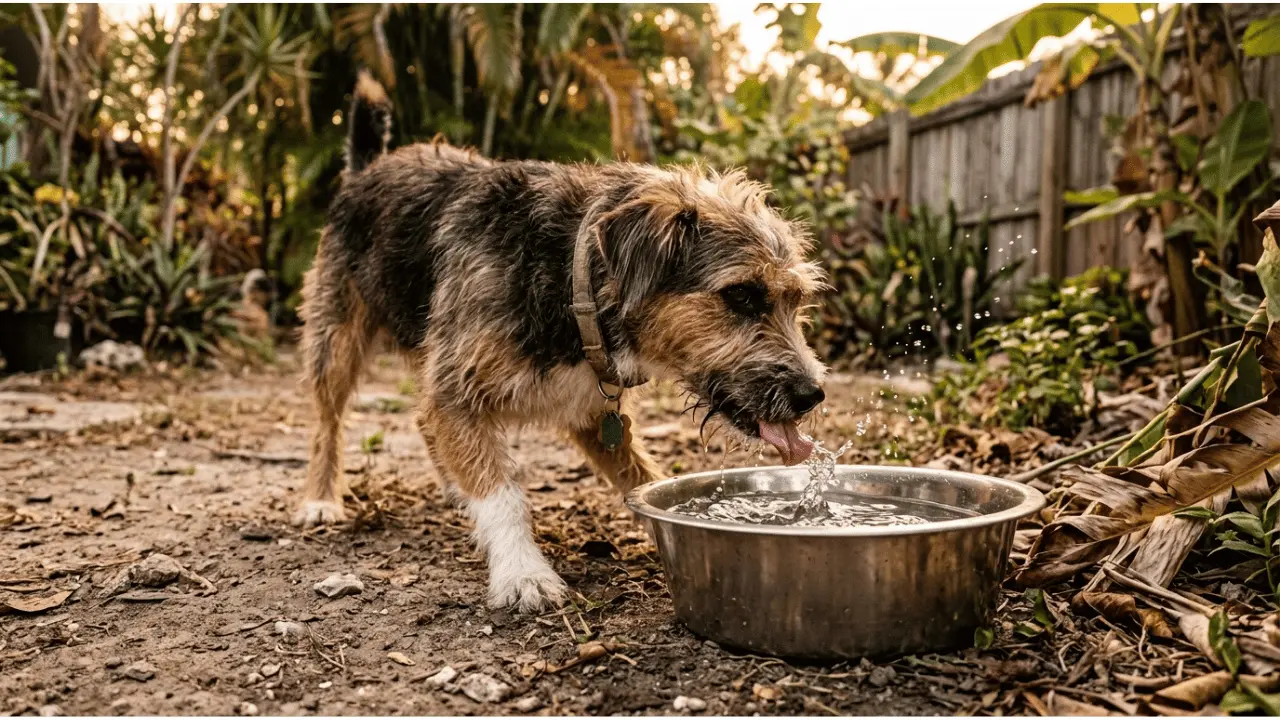
Dogs from tropical climates like Cambodia can be more sensitive to air conditioning than you might expect. A dog that seems fine outside but shakes whenever they are indoors is probably just cold from the AC.
Excitement vs Anxiety
Dogs shake when they are excited, like when you come home or when they see their leash. That kind of full-body wiggle-shake is totally normal and usually comes with a wagging tail and bright eyes.
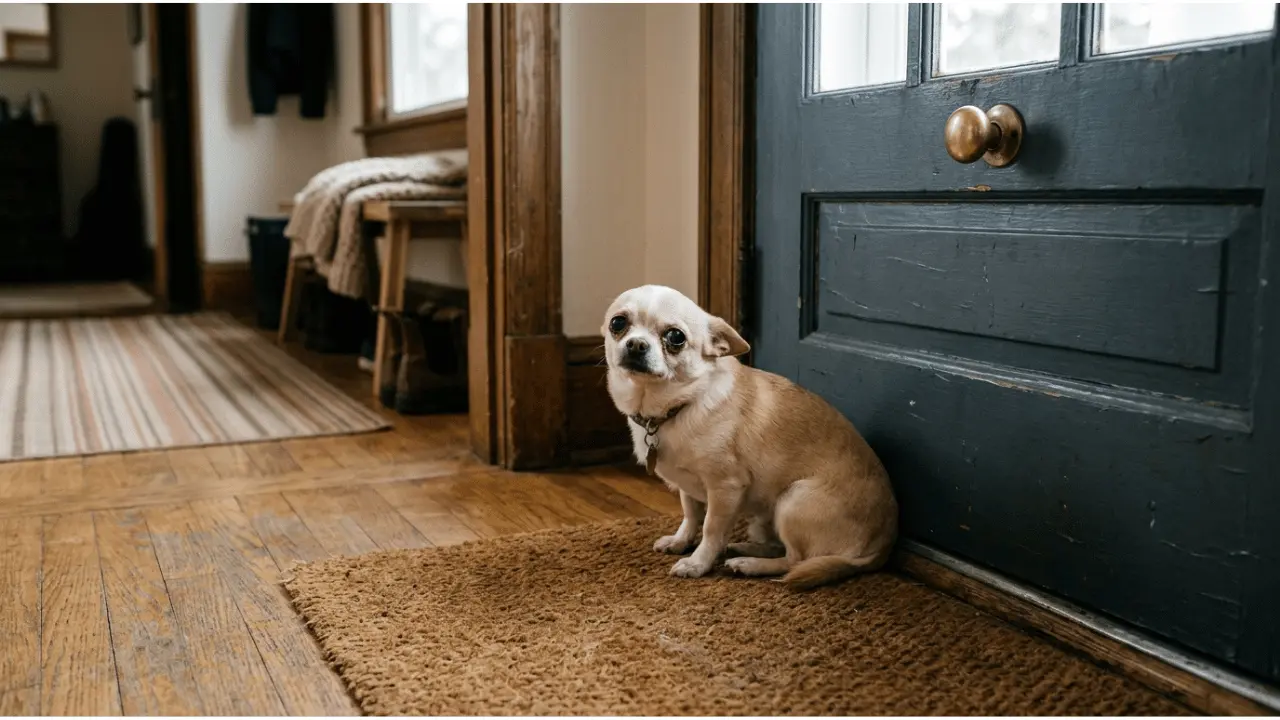
Anxiety shaking looks different. It tends to be more persistent and often comes with other signs like tucked tail, flattened ears, yawning, or trying to hide. Thunderstorms, firecrackers, car rides, and vet visits are common triggers. If anxiety shaking is frequent, there are training and management approaches that genuinely help.
Shaking as a Sign of Pain
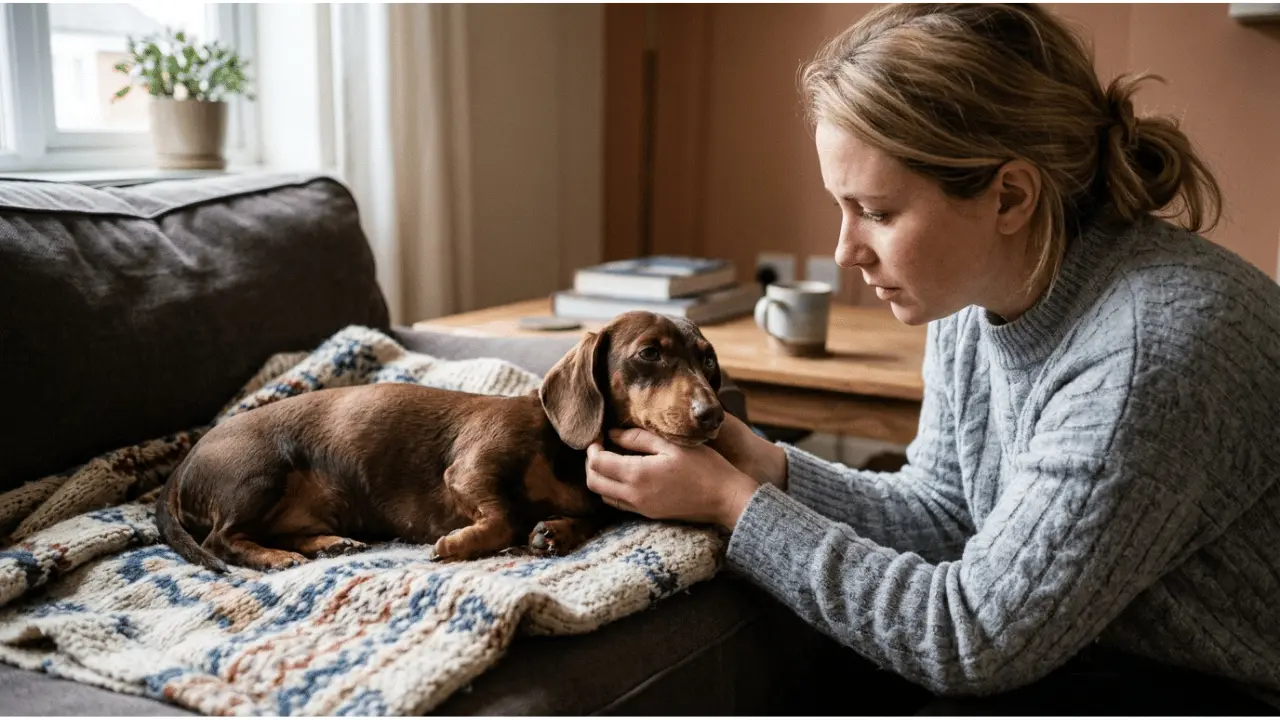
Pain is one of the reasons dogs shake that owners often miss, because dogs are wired to hide discomfort. If your dog shakes and you cannot link it to cold, excitement, or a known trigger, pain should be on your list of possibilities.
Muscle pain, joint issues, stomach pain, and even ear infections can cause a dog to tremble. Watch for shaking that is paired with reluctance to move, changes in appetite, or your dog flinching when you touch a certain area.
When Shaking Means Something Serious
Some causes of shaking do need veterinary attention. These include poisoning, seizure activity, hypoglycemia (low blood sugar, especially in small breeds and puppies), kidney disease, and neurological problems.
| Type of Shaking | Likely Cause | Action |
|---|---|---|
| After bath or in cold | Temperature regulation | Warm them up |
| When you arrive home | Excitement | Normal, no action needed |
| During loud noises | Anxiety or fear | Comfort, consider training |
| Persistent, unexplained | Pain or illness | See a vet |
| Violent, uncontrolled | Seizure or poisoning | Emergency vet immediately |
Old Dogs Shake More
Senior dogs often develop a low-level tremor, particularly in their hind legs. This is usually related to muscle weakness or early joint disease rather than anything immediately dangerous. That said, new shaking in an older dog is always worth a vet check to rule out pain or neurological changes.
What to Actually Do
If your dog shakes occasionally and bounces back to normal behavior, just observe and note when it happens. If the shaking is frequent, new, or paired with any other changes in behavior, eating, or movement, that is when you book a vet visit. You know your dog. Trust your gut when something feels off.