Why Dogs Bark
Barking is how dogs communicate. It is completely normal. The goal is not to stop your dog from ever barking but to reduce barking that is excessive, disruptive, or triggered by things that do not actually require a response. To do that, you need to understand what is driving the barking in the first place, because different causes need different solutions.
Common Types of Barking and Their Causes
Alert barking happens when your dog notices something outside such as a person, a car, or another animal. This is instinctive and common in territorial breeds. The dog is doing their job as they understand it.
Demand barking happens when your dog has learned that barking gets them what they want. Food, attention, access to a room. If barking has worked in the past, your dog will keep using it.
Boredom and frustration barking is common in under-exercised dogs or dogs left alone for long periods. The barking is not directed at anything specific and tends to happen in a repetitive pattern.
Anxiety barking is associated with separation anxiety or fear. The bark sounds different, often more high-pitched, frantic, and sustained. This type needs a different approach than the others.
What Actually Works
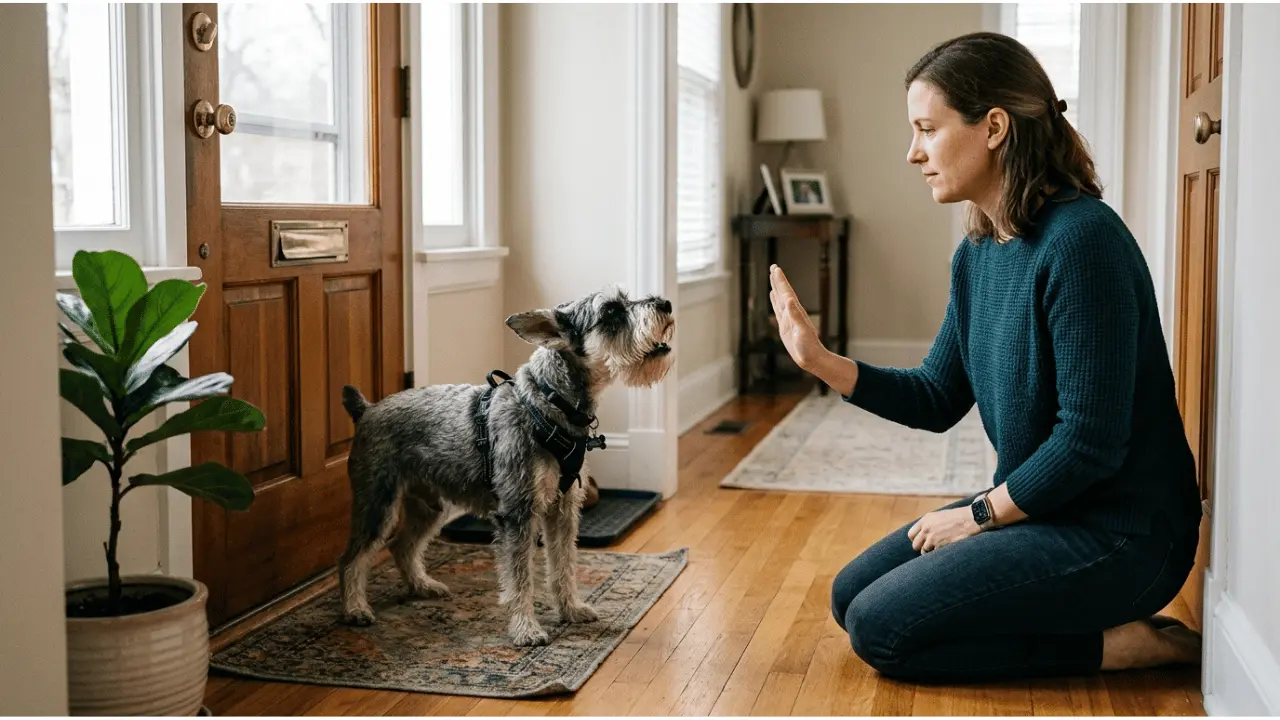
For alert barking, the most effective approach is to acknowledge the bark once with a calm "thank you" or "enough" command, then redirect your dog's attention. Teaching a "quiet" command through positive reinforcement works well for dogs that alert bark. You reward silence, not the barking itself.
For demand barking, the solution is to remove all reward from the behavior. Do not respond to barking with attention, food, or anything the dog wants. Wait for silence, even two seconds of quiet, then reward. It gets worse before it gets better as the dog tries harder before giving up, but consistency wins.
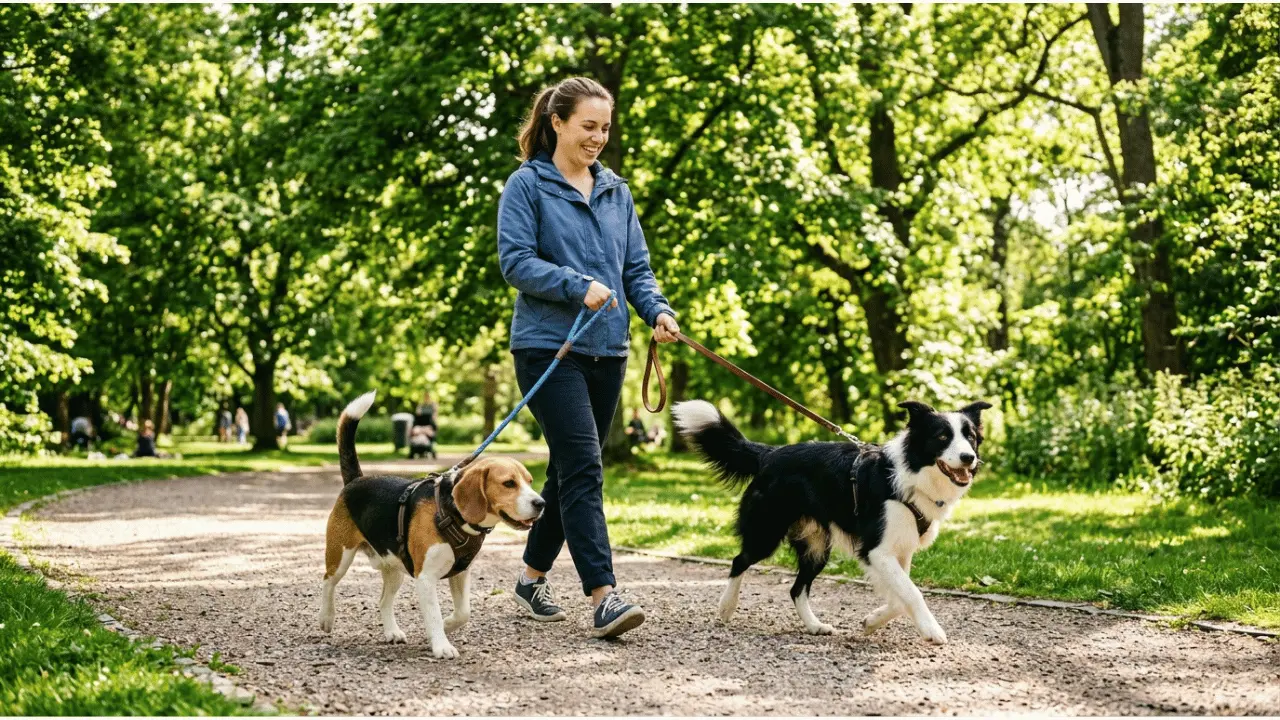
For boredom barking, more exercise and mental stimulation are the solution. Puzzle feeders, longer walks, and play sessions reduce pent-up energy that comes out as barking. This is one of the most fixable causes.
| Type of Barking | What Helps | What Does Not Help |
|---|---|---|
| Alert barking | Quiet command, redirection, management | Punishing or rewarding the bark |
| Demand barking | Ignoring completely until silence | Giving in occasionally |
| Boredom barking | More exercise and enrichment | Confinement without stimulation |
| Anxiety barking | Separation anxiety training, vet support | Punishment or forced alone time |
Practical Management Tips
If your dog alert barks at things outside, blocking their view with window film or keeping them in a room facing away from the street can significantly reduce triggers without any training required. This is management, not training, but it works while you work on the underlying behavior.
Consistency across everyone in the household matters. If one person ignores demand barking and another gives in, the dog will keep barking because it sometimes works. Everyone needs to be on the same approach.