Normal Licking vs. a Problem
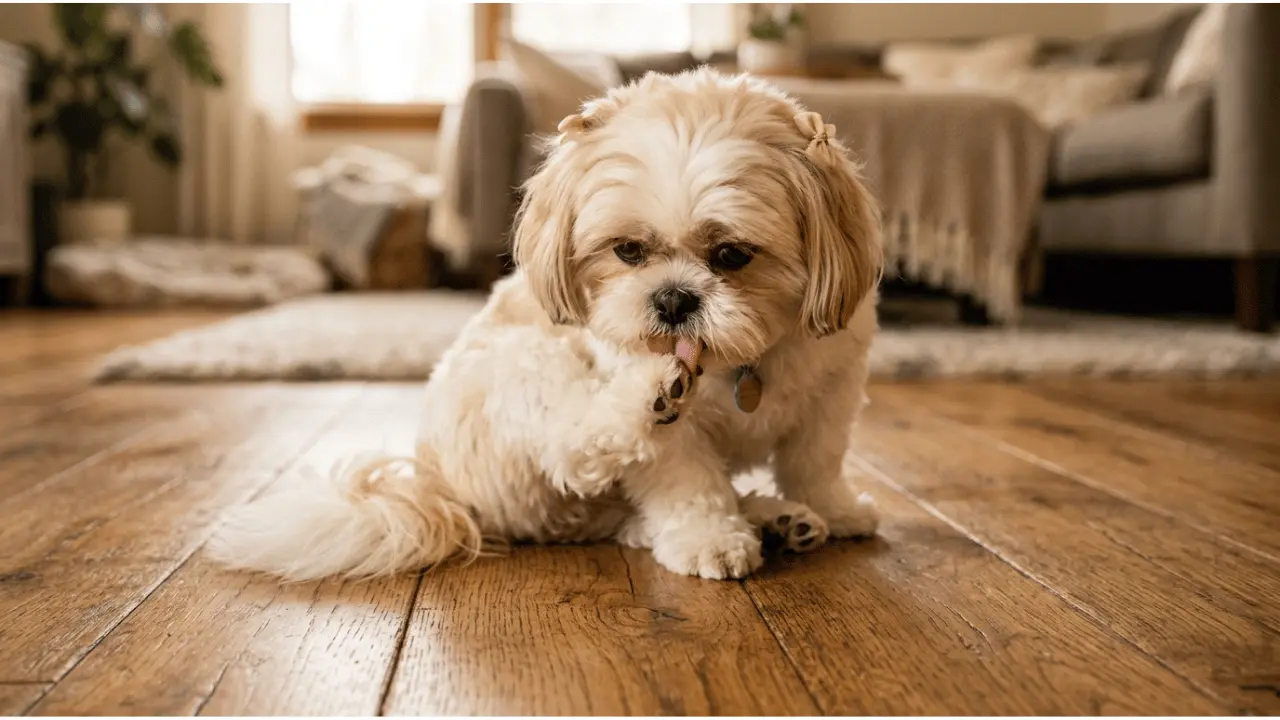
Dogs lick their paws as part of normal grooming. After a walk, after eating, or just as a quick self-clean, a bit of paw licking is completely fine. What you want to watch for is when it becomes frequent, obsessive, or when the paws start to look irritated, red, or smell off.
The Most Common Reasons
Allergies are the number one cause of chronic paw licking in dogs. Environmental allergens like grass, pollen, and dust mites can cause itchy paws. Food allergies are also common and often overlooked. If your dog licks their paws year-round and nothing else explains it, food sensitivity is worth investigating.
Contact irritants are another frequent cause. Walking on treated grass, cleaning products on floors, or road salt can irritate paw pads and trigger licking. This kind of licking usually happens right after a walk and settles down once the paws are rinsed.
Yeast infections between the toes are common in dogs, especially in humid climates. You will usually notice a distinct musty smell along with redness between the toes. The licking tends to be focused and intense rather than general grooming.
Anxiety and boredom can also show up as paw licking. Dogs who are under-stimulated or anxious sometimes develop repetitive behaviors, and licking is one of the most common. If your dog only licks when left alone or in stressful situations, this is likely the cause.
When to See a Vet
See a vet if the licking has been going on for more than a week, if the paws look red or swollen, if there is any discharge or bleeding, or if your dog seems uncomfortable. Chronic paw licking can lead to secondary infections if left untreated, so it is better to catch it early.
| Sign | Likely Cause | Action |
|---|---|---|
| Licking after walks only | Contact irritant | Rinse paws after every walk |
| Musty smell between toes | Yeast infection | Vet visit for antifungal treatment |
| Year-round licking | Allergy | Check food and environment |
| Licking when alone | Anxiety or boredom | More exercise and mental stimulation |
| Limping with licking | Injury or foreign object | Vet visit immediately |
What You Can Do at Home
Rinsing your dog's paws with plain water after every walk is one of the simplest and most effective things you can do, especially if contact irritants are the cause. Make sure to dry between the toes thoroughly afterward because moisture trapped between toes encourages yeast growth.
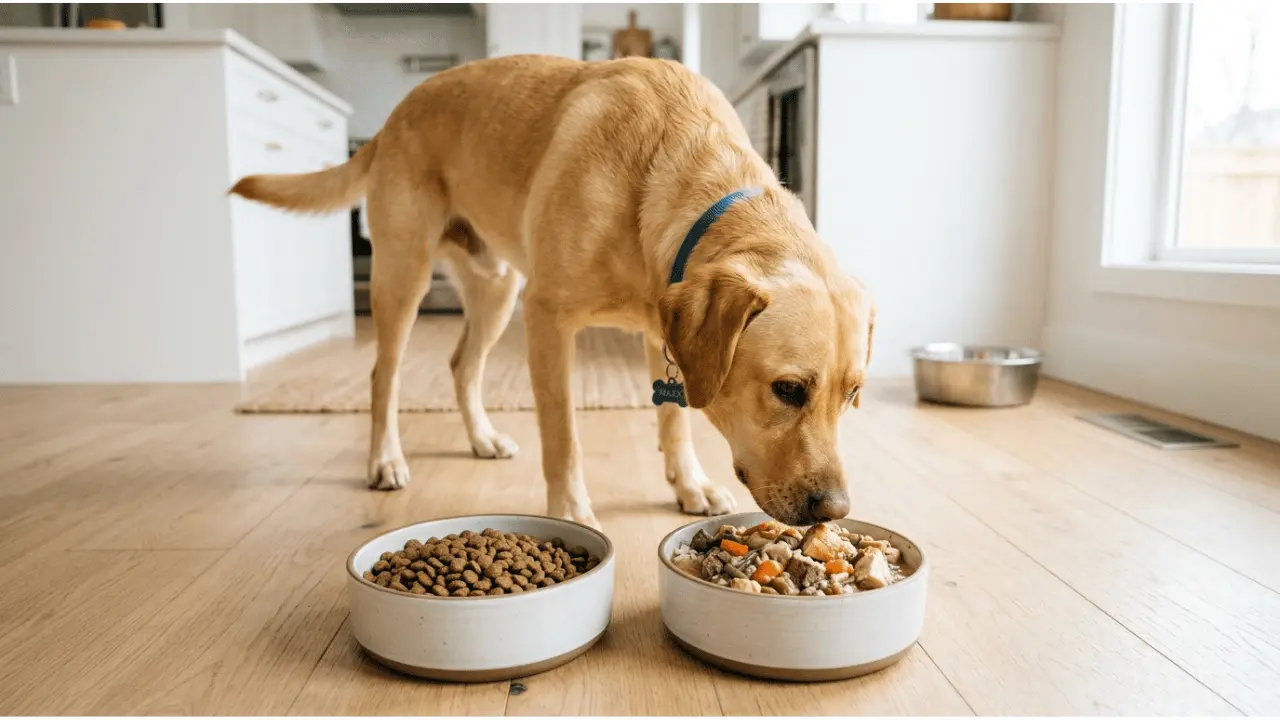
If you suspect food allergies, an elimination diet is the most reliable way to identify the trigger. This means switching to a novel protein your dog has never eaten before and monitoring over 8 to 12 weeks. It takes patience but gives you real answers.