Stress in Dogs Is Harder to Read Than You Think
Most people know what an obviously scared dog looks like: trembling, tail tucked, trying to hide. But stress shows up in a lot of subtler ways that are easy to misread as personality quirks, bad manners, or just "how the dog is." The dog who yawns constantly during training. The dog who licks their lips before greeting a stranger. The dog who suddenly scratches their neck when you raise your voice slightly.
These are all stress signals. Dogs communicate discomfort and anxiety through body language far more than most owners realize, and recognizing these signals early makes it possible to actually help your dog rather than pushing through situations that are quietly overwhelming them.
The Signs Most People Miss
1. Yawning at the wrong time. Dogs yawn when they are tired, same as us. But they also yawn as a stress signal, especially in situations that make them uncertain or uncomfortable. A dog that yawns repeatedly during a training session, at the vet, or when meeting a new person is likely communicating that they are feeling some pressure. It is easy to read as boredom, but it is usually the opposite.
2. Lip licking without food around. A quick tongue flick across the lips, often barely visible, is a classic calming signal. Dogs use it to communicate "I am not a threat" to other dogs and humans, but they also do it when they are feeling unsure or mildly stressed. If your dog does this frequently in specific situations, those situations are worth examining.
3. Whale eye. This is when you can see the whites of your dog's eyes, usually because they are turning their head away while keeping their gaze fixed on something. It often appears when a dog feels cornered or is being approached in a way that makes them uncomfortable. It is one of the clearest early warning signs that a dog is approaching their limit.
4. Sudden scratching or sniffing the ground. A dog who suddenly stops and starts scratching their neck or sniffing the ground intensely when nothing is there is likely using a displacement behavior. These are actions dogs use to interrupt or diffuse a tense moment. It can look like distraction or stubbornness, but it is often an attempt to self-regulate.
5. Excessive panting without heat or exercise. Dogs pant to cool down, but they also pant when they are anxious. If your dog is panting heavily in a cool room, at rest, or in a situation with no obvious physical explanation, stress is a common cause. Look at what is happening around them in that moment.
Signs That Are Easier to Spot
6. Pacing and inability to settle. A dog who cannot lie down and relax, keeps getting up and moving around, or circles repeatedly is showing a classic anxiety response. Some dogs do this at night, which owners sometimes attribute to physical discomfort, but it is often restlessness driven by stress.
7. Refusing food they normally love. Stress suppresses appetite. A dog who suddenly turns away from food they normally inhale, especially in a new environment or during a tense situation, is often too stressed to eat. This is worth noting because it means the dog's stress level is high enough to override hunger.
8. Shedding more than usual. Dogs can shed rapidly when stressed. You might notice a lot of fur coming off your dog during a vet visit or a car ride even if they have not been shedding much at home. This is a physiological stress response, not just seasonal.
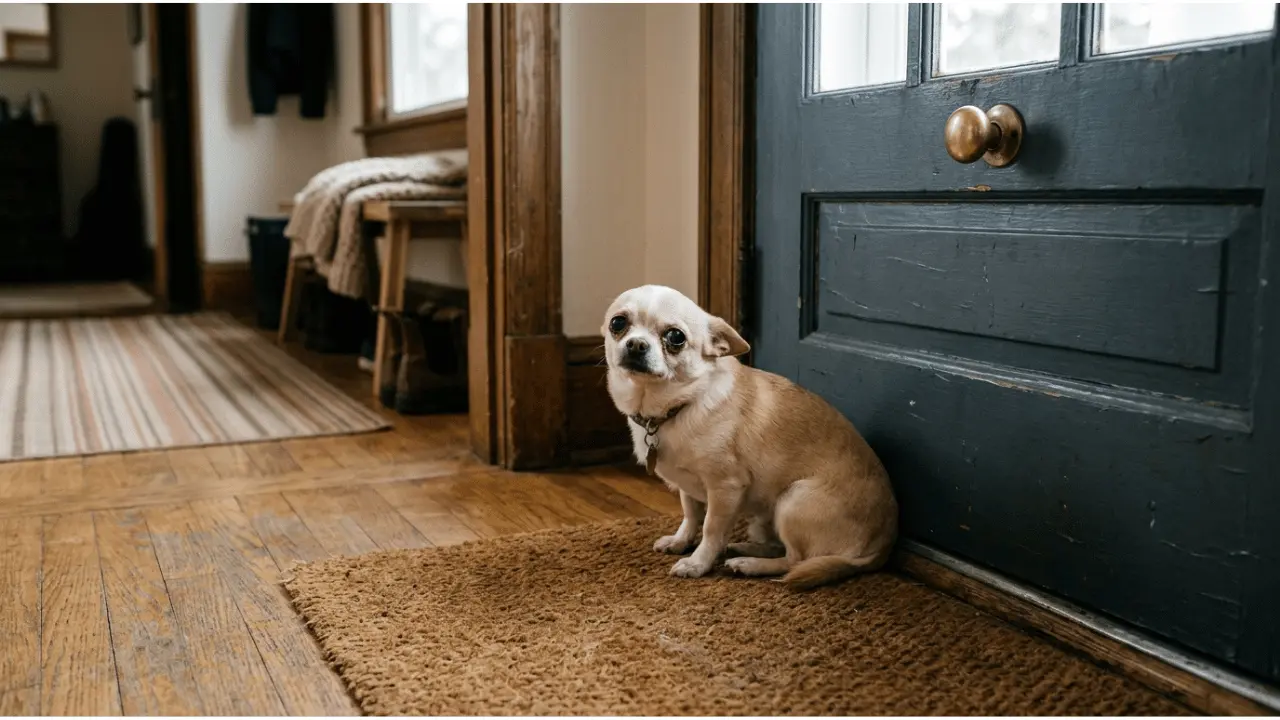
9. Tucked tail or lowered body posture. These are more widely known but still worth naming clearly. A tail tucked under the body, ears pinned back, and a slightly hunched posture are all signals that a dog is trying to make themselves smaller in response to something they find threatening or overwhelming.
10. Destructive behavior specifically when alone. Dogs who chew furniture, scratch at doors, or destroy things only when their owner is away are almost always showing signs of separation anxiety rather than misbehaving. The destruction is a byproduct of panic, not defiance. Punishing the dog after the fact does nothing because the dog connects the punishment to your return, not to the chewing.
Acute Stress vs Chronic Stress
Some stress is situational and short-lived. A dog who gets tense at the vet but is relaxed and happy the rest of the time is experiencing acute stress in a specific context. That is manageable, and the goal is usually to make those specific situations less overwhelming through gradual desensitization or practical changes like keeping vet visits brief and positive.
Chronic stress is different. A dog who is showing stress signals frequently throughout the day, or who never seems fully relaxed, is living with ongoing anxiety that affects their quality of life. This might trace back to insufficient exercise, insufficient mental stimulation, an unstable home environment, or an underlying anxiety disorder that benefits from professional help.
What to Do When You Notice These Signs
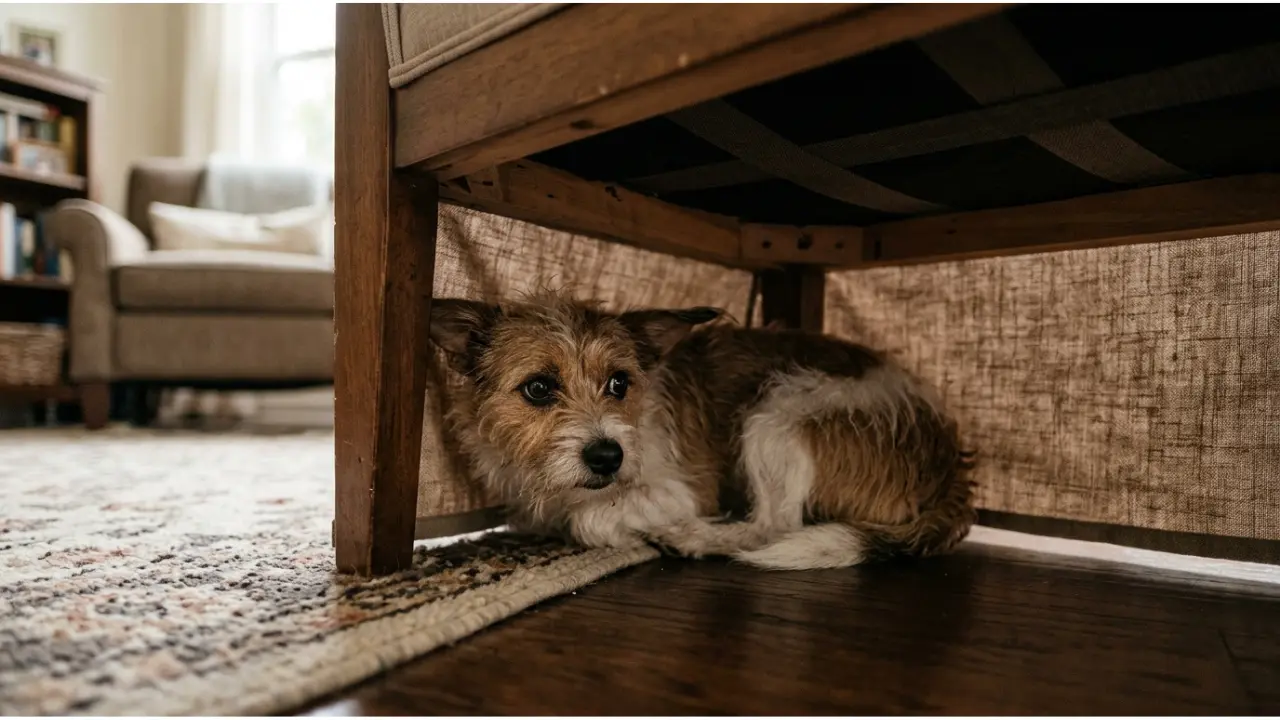
The first step is not to force the dog through whatever is stressing them. Flooding a dog with the thing that frightens them, in the hopes they will get used to it, usually makes things worse. Instead, give the dog an exit: space to move away, a chance to disengage. Respecting that early signal prevents the dog from escalating to a bigger reaction.
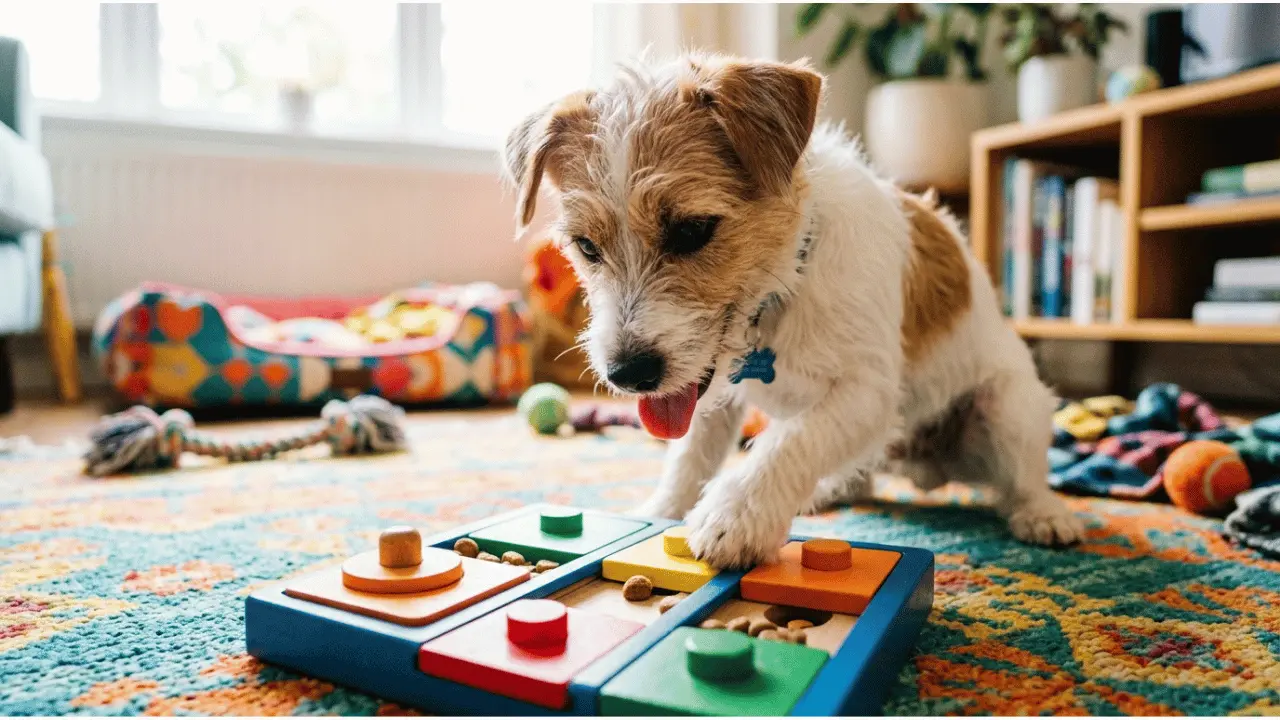
From there, look at the pattern. Is the stress happening in specific situations that can be modified? Is the dog getting enough daily exercise and enrichment to feel mentally satisfied? For dogs with persistent anxiety, working with a veterinary behaviorist or a trainer who uses positive methods makes a real difference. Learning to calm an anxious dog starts with understanding what they are actually trying to tell you.