What Are Zoomies?
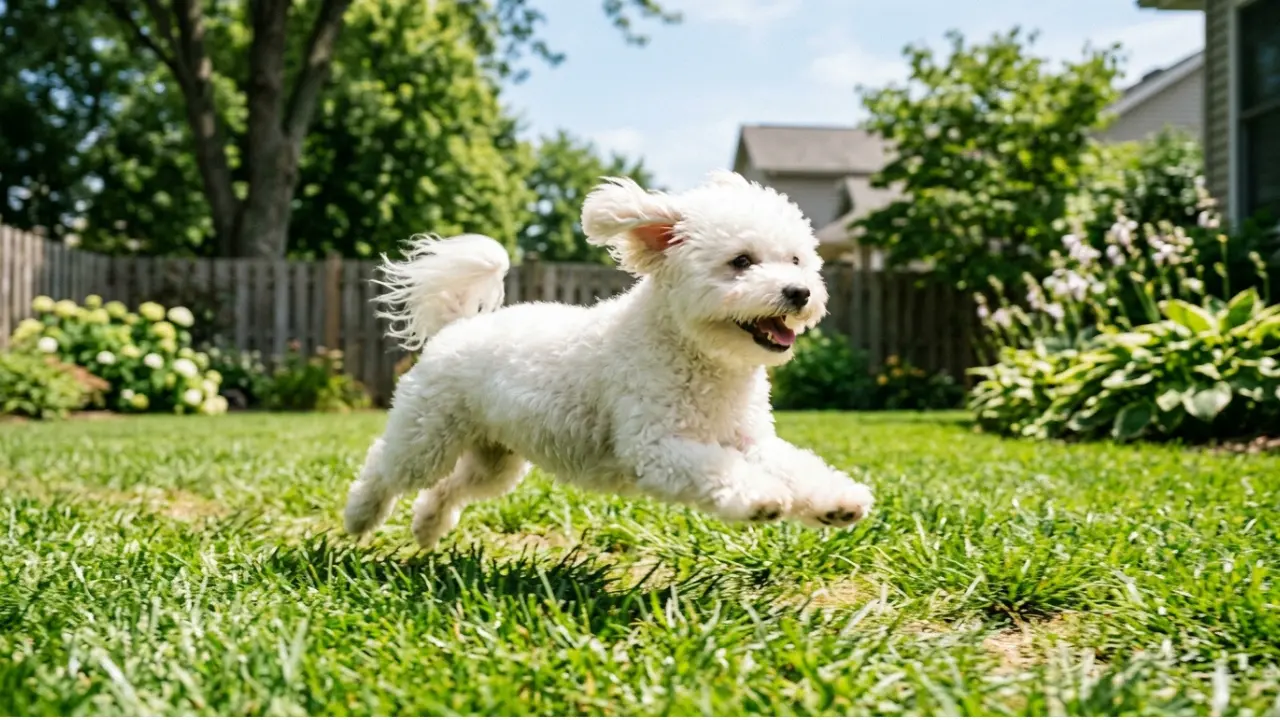
One moment your dog is sitting calmly. The next, they are sprinting full speed around the living room, skidding on the floor, bouncing off the couch, and doing laps for no apparent reason. Then, just as suddenly as it started, they stop and flop down like nothing happened.
This is what most people call zoomies, and it has an actual name in the animal behavior world: Frenetic Random Activity Periods, or FRAPs. The name is wonderfully accurate. These bursts of frantic movement are normal dog behavior, they happen across all breeds and ages, and they are almost always harmless. If you have a dog, you have probably seen this and wondered what on earth is going on.
Why Dogs Get Zoomies
The most straightforward explanation is that zoomies are a release of built-up energy or emotion. Dogs accumulate tension throughout the day, whether from excitement, mild stress, boredom, or just the physical restlessness that comes from not having moved enough. Zoomies are one way the body discharges all of that at once.
Think of it like a pressure valve. When enough energy or emotional charge builds up, the dog hits a threshold and the whole thing comes out in one concentrated burst of physical movement. The running is not purposeful in the way a game of fetch is. It is more like the body taking over and demanding that everything gets let out right now.
Puppies and young dogs get zoomies far more often than older dogs, partly because they have more energy to burn and partly because they have less control over their own excitement levels. But adult dogs and even senior dogs get them too, especially after events that carry a strong emotional charge.
The Most Common Triggers
After a bath. This is one of the most reliable zoomie triggers. The combination of the mildly stressful experience of being washed, the relief when it is over, and the physical sensation of being wet tends to produce an explosion of energy in a lot of dogs. The post-bath zoomie is practically a universal dog experience.
After pooping. Dogs frequently get zoomies right after going to the bathroom outside. There are a few theories about why, including the release of physical tension from defecating and the stimulation of the vagus nerve during the process, which can produce a brief mood boost. Whatever the exact reason, the poop zoom is very common.
Late evening. Many dogs have a predictable zoomie window in the evening, often right before they settle down for the night. This tends to happen when a dog has been relatively calm and inactive for part of the day and the body has an accumulated energy surplus that needs to go somewhere before sleep.
After waking up. Some dogs wake from a nap and immediately launch into a sprint. The transition from sleep to full wakefulness can produce a burst of energy, similar to how young children sometimes wake up and immediately start running.
When you come home. The excitement of your arrival is a big emotional event for your dog. For some dogs, this translates directly into a zoomie as their system tries to process the burst of happiness and arousal.
Is It Normal?
Yes. Zoomies are completely normal dog behavior. They are not a sign of a problem, a medical issue, or a behavior that needs to be corrected. A dog that gets regular zoomies is generally a dog that has enough energy to release and feels safe enough in their environment to do it. In that sense, zoomies are a healthy sign.
The frequency varies a lot by individual dog. Some dogs zoom every day. Some only do it a few times a month. High-energy breeds tend to zoom more often and more intensely. Calmer breeds might have much shorter, more muted versions. All of that is normal variation.
When to Pay Attention
The only times zoomies become worth paying attention to is if they happen very frequently as the primary outlet for a dog that is not getting enough exercise or mental stimulation, or if the environment makes them physically dangerous. A large dog doing full-speed laps in a small apartment with hard floors and sharp furniture corners is a recipe for injury, even though the zooming itself is not the problem.
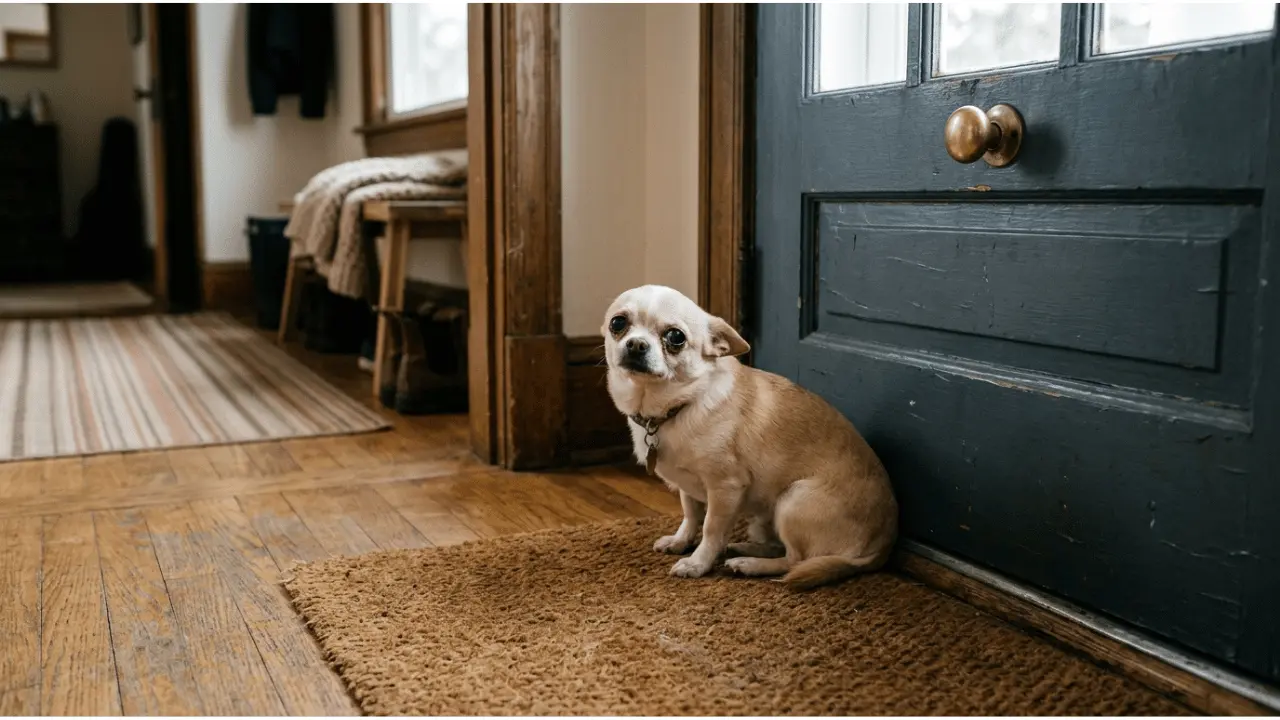
Very frequent zoomies in a dog that also shows other signs of stress or anxiety can sometimes be a displacement behavior rather than pure excitement. If the zoomies happen alongside constant pacing, inability to settle, destructive behavior, or other signs that the dog is struggling, it is worth looking at the bigger picture of how much exercise and mental stimulation the dog is getting each day.
Should You Stop Zoomies?
Generally, no. Interrupting a zoomie is usually not necessary and a bit pointless. The burst lasts a short time, the dog is not doing it to be difficult, and stopping it does not address any underlying need. The energy has to go somewhere.
If the zooming is happening in a space where the dog could hurt themselves, the better response is to redirect it somewhere safer. Open a door to the garden, move to a hallway, or step outside. Let the dog run it out somewhere with more room. That way the energy still gets released, just in a safer location.
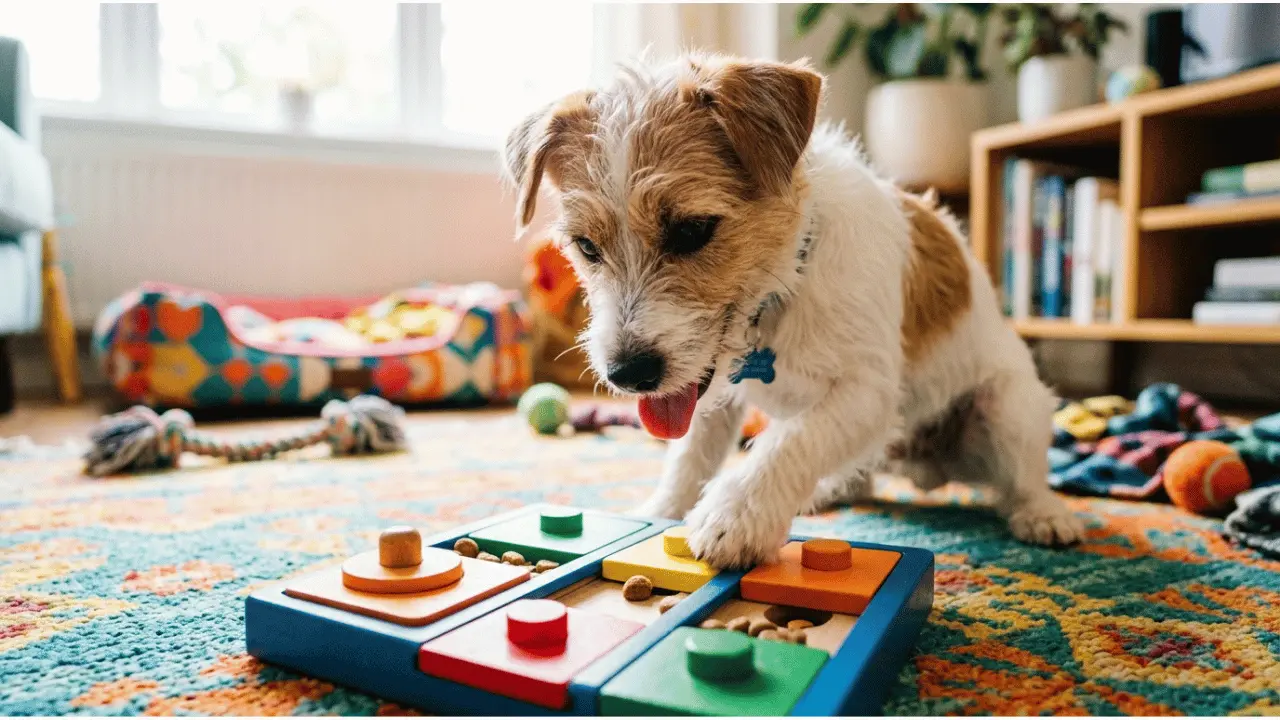
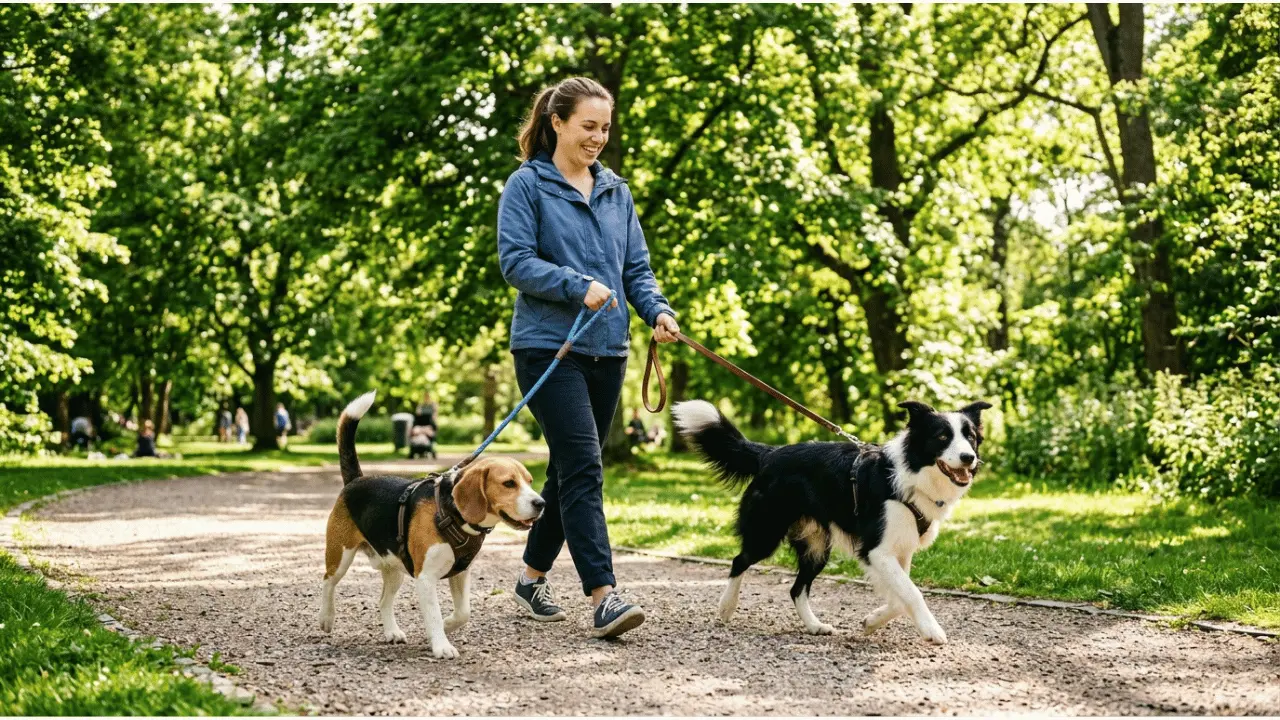
If your dog zooms a lot inside and you would prefer they did it less, the real solution is making sure they are getting enough physical exercise and mental stimulation through enrichment activities and regular walks. A dog who has run, played, and used their brain throughout the day has less surplus energy to discharge in random bursts at 9pm.